How Much Does Instagram Pay for 1 Million Views in 2026?
Instagram pays between $100 and $600 per 1 million Reels views through direct Meta programs in 2026 — but that number tells only half the story. When brand deals enter the picture, effective earnings for the same 1 million views jump to $3,000–$50,000 or more, depending on niche and audience demographics.
Here is the paradox every creator needs to understand: Instagram pays the least per view of all major platforms, yet its creators earn the most through brand partnerships. According to Vidpros, one creator earned just $202 for 1 million views spread across 10 Reels in February 2026 — while another reported $600 for roughly the same view count from a single viral Reel.
Instagram does not pay per view like YouTube. Income comes from a patchwork of programs: Ads on Reels revenue sharing, Gifts and Stars, Subscriptions, and — most importantly — brand collaborations. In our experience helping creators grow their Instagram presence since 2013, the gap between platform payouts and brand deal income surprises most new creators.
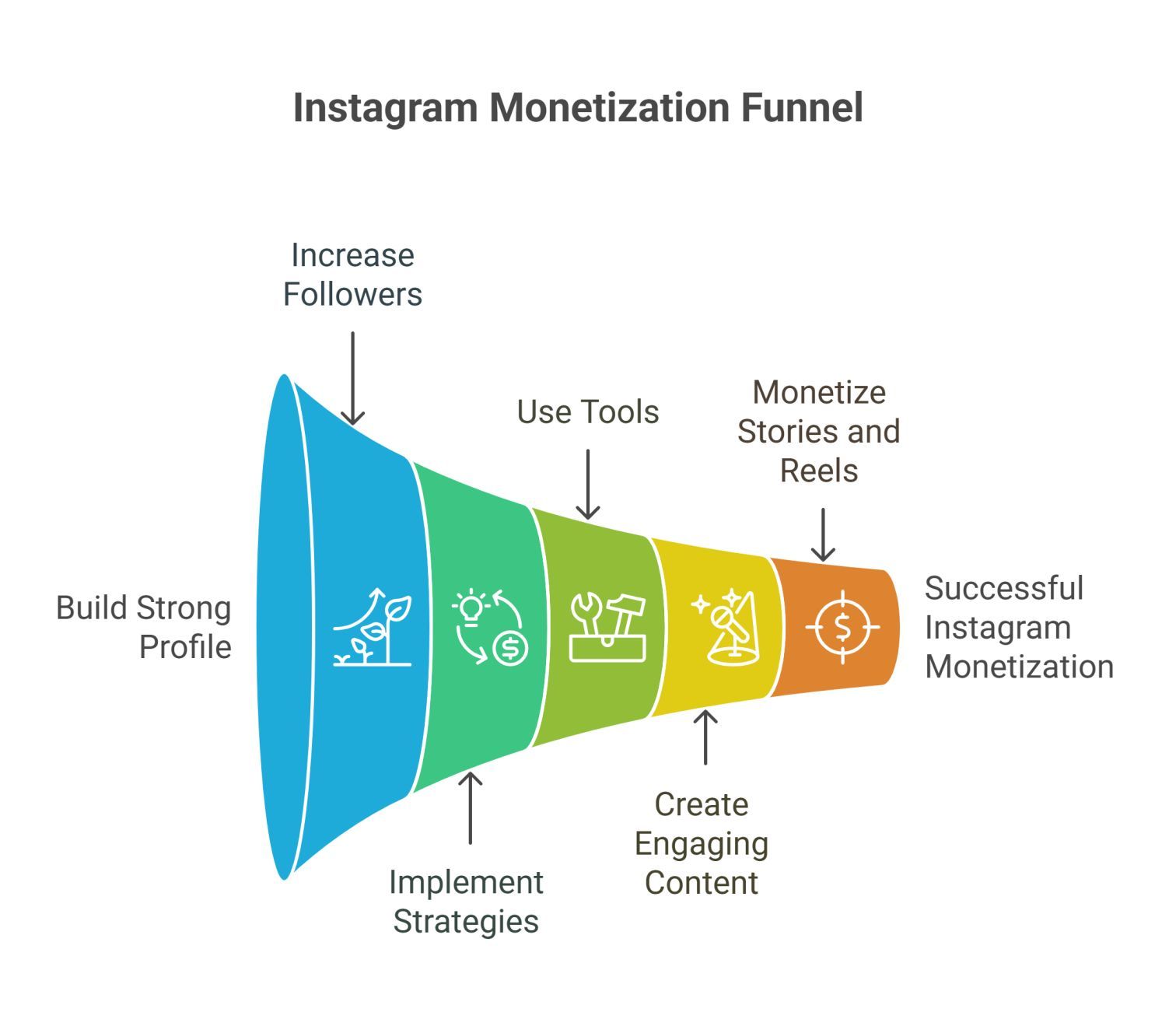
This guide breaks down real 2026 creator earnings data, the factors that determine your payout, and how Instagram compares to TikTok and YouTube — so you can build a monetization strategy that actually works.
Does Instagram Pay Per View? The Truth in 2026
No — Instagram has no YouTube-style AdSense model that pays a fixed rate per view. This is the single biggest misconception about Instagram monetization, and it leads creators to chase view counts instead of building revenue systems that actually pay.
Instagram's monetization is program-based and feature-based, not view-based. Each income stream has its own eligibility requirements, payout mechanics, and availability windows. Here is where creator earnings actually come from in 2026:
- Ads on Reels (revenue share): Meta shares a portion of ad revenue with eligible creators whose Reels receive in-stream ads. Availability remains limited and invite-only. See Ads on Instagram Reels for current eligibility details.
- Gifts and Stars: Viewers send Stars during Reels (each Star worth roughly $0.01), with a $25 minimum payout threshold. Learn more: How to earn money on Instagram Gifts.
- Subscriptions: Monthly memberships ($0.99–$99.99 tiers) that give subscribers exclusive content, badges, and Stories. See: Subscriptions for creators.
- Brand partnerships: The most lucrative stream by far, negotiated directly between creators and brands through the Creator Marketplace or agencies.
According to StackInfluence, the Reels Play Bonus program was discontinued for new creators as of March 2025, with existing contracts honored through their terms. Meanwhile, Reels are reshared roughly 5 billion times per day across the platform, according to Meta data cited by Vidpros — massive reach, but no automatic paycheck attached to it.
Eligibility check: To access any monetization feature, you must have a Professional account (Creator or Business), be 18+, and comply with Meta's Partner Monetization Policies and Content Monetization Policies. Check your Professional Dashboard under Monetization to see what programs are available in your region.
The key shift in 2026 is that Meta has moved away from paying creators directly for content performance. Instead, the platform invests in tools that help creators monetize their own audiences — Subscriptions, Gifts, and the Creator Marketplace — putting the revenue responsibility squarely on the creator. For the latest updates on content monetization, see Meta's official creator monetization updates and the Business Help Center.
How Much Do Creators Actually Earn Per 1 Million Reels Views?
Direct Meta payouts for 1 million Reels views range from under $1 to roughly $600 — and the variance is staggering. Real creator data from 2026 shows that identical view counts can produce wildly different earnings depending on the monetization program, content type, and audience geography.
Here is what verified creators have reported:
| Creator / Source | Views | Payout | Effective CPM |
|---|---|---|---|
| Anonymous (10 Reels), Vidpros | 1,000,000 | $202 | $0.20 |
| Anonymous (12 Reels), Vidpros | 2,300,000 | $330 | $0.14 |
| Anonymous (single report), Vidpros | 1,100,000 | $210 | $0.19 |
| @themakeshiftproject | ~1,000,000 | $600 | $0.60 |
| Reddit r/InstagramMarketing user | 5,100,000 | $0.01 | ~$0.00 |
| Medium creator (Janice, with screenshots) | 4,000,000 | ~$100 | $0.025 |
According to Vidpros, the $202 and $330 payouts came from creators enrolled in Meta's Ads on Reels program in February 2026 — the same program, similar timeframes, yet different per-view rates. The Reddit user who earned $0.01 for 5.1 million views in 30 days was not enrolled in any active monetization program, proving that views alone generate virtually nothing.
The average direct Meta payout works out to roughly $0.10–$0.60 per 1,000 views (CPM) from platform programs. Compare that to how much Instagram pays per 1,000 views through brand partnerships, where effective CPMs reach $5–$12 — a 50x to 100x difference.
What drives this variance? Three factors stand out:
- Program enrollment: Creators without active monetization programs earn almost nothing from views directly. Ads on Reels pays significantly more than baseline, but remains invite-only.
- Content category: Finance, tech, and business Reels attract higher-paying advertisers, pushing CPMs toward the $0.40–$0.60 range. Entertainment and meme content sits at the bottom.
- Audience location: A Reel viewed primarily by U.S. and UK audiences generates 4–6x more ad revenue than the same content viewed in India or Brazil.
The bottom line: if you are wondering how much does Instagram pay for 1 million views, the answer is "it depends" — and treating 1 million views on Instagram Reels as a reliable income source is a mistake. Platform payouts are unpredictable, program availability shifts quarterly, and the real money sits in what you build around those views — not the views themselves.
What Determines Your Instagram Payout in 2026?
How much does Instagram pay for 1 million views? The real answer depends on seven factors that shift your earnings from under $100 to over $50,000 — and engagement rate matters more than follower count for every single one of them.
Here are the seven factors that drive how much you actually earn:
1. Engagement Rate
An engagement rate above 5% signals genuine audience trust, and brands price accordingly. We've found that accounts with 50K followers and 8% engagement regularly command higher per-post rates than accounts with 500K followers and 1% engagement. Brands pay for conversions, not impressions — and high engagement is the strongest predictor of conversion.
2. Niche and Audience
Finance, tech, and business niches attract the highest CPM rates because advertisers in these categories have larger budgets and higher customer lifetime values. Beauty and fashion creators may see lower CPMs but stronger sponsorship volume, since these categories have the deepest pool of brand partners actively seeking collaborators.
3. Audience Demographics
U.S., UK, and Canadian audiences fetch the highest brand deal rates — often 4–6x more than audiences in India, Brazil, or Southeast Asia. If 70% of your followers are in Tier-1 markets, your earning potential per view is dramatically higher than a creator with the same follower count but a global, undifferentiated audience.
4. Content Format
Reels dominate reach and discovery in 2026, making them the best format for top-of-funnel growth and attracting brand attention. Carousels remain strong for education-heavy content and tend to generate higher save rates, which signals depth to both the algorithm and potential sponsors. Creating high-quality Instagram videos is no longer optional — it is the baseline expectation.
5. Follower Count Tier
While engagement matters more per-post, follower count still sets the baseline rate bracket. Accounts with 100K+ followers average around $670 per sponsored post, while those in the 500K–1M range can command up to $7,500 per post, according to industry benchmarks from DemandSage in 2026.
6. Content Quality and Consistency
Brands evaluate not just a single post but your entire feed aesthetic, posting frequency, and content reliability. Creators who post 3–5 Reels per week with consistent production quality attract retainer deals — recurring monthly contracts that provide predictable income instead of one-off sponsorships.
7. Brand Alignment
Consistent positioning within a specific niche makes you a natural fit for brands in that space. A creator who posts exclusively about sustainable fashion attracts higher-paying partnerships from eco-conscious brands than a generalist lifestyle account, even with fewer followers.
Brands pay for reliable engagement, not vanity metrics. An account with 50K followers and 8% engagement often earns more per post than one with 500K followers and 1%. Focus on building a responsive audience before chasing follower milestones.
How Does Instagram Compare to TikTok and YouTube for 1M Views?
Instagram pays the least per view of any major platform — yet its creators consistently out-earn competitors through brand partnerships. This paradox defines the 2026 creator economy and should shape every monetization decision you make.
Understanding how much does Instagram pay for 1 million views requires context — here is how the three platforms stack up:
| Platform | Direct CPM per 1K Views | Est. Earnings per 1M Views | Brand Deal Potential | Notes |
|---|---|---|---|---|
| YouTube | $3.00–$9.00 | $3,000–$9,000 | Moderate | AdSense revenue share, most predictable payouts |
| TikTok | $0.50–$1.00 | $500–$1,000 | Growing | Creativity Program Beta, restricted eligibility |
| $0.01–$0.10 | $10–$100 (direct) | Highest | Brand deals push effective earnings to $3,000–$50,000+ |
YouTube remains the gold standard for direct platform payouts. Its AdSense model pays $3.00–$5.00 per 1,000 views on average, with finance and tech niches reaching $9.00 CPM in 2026. A creator with 1 million YouTube views can reasonably expect $3,000–$5,000 without any brand involvement.
TikTok's Creativity Program Beta pays $0.50–$1.00 per 1,000 views, according to clickanalytic.com, putting 1 million views in the $500–$1,000 range. The program requires original content over 60 seconds and remains limited to select markets.
Instagram's direct CPM sits at $0.01–$0.10 per 1,000 views — the lowest among major platforms. But this number is misleading in isolation. Instagram's audience carries the highest purchasing intent of any social platform, making brand deals far more lucrative. A creator with 1 million Instagram Reels views and strong engagement can negotiate $5,000–$15,000 in sponsored content — earnings that dwarf what the same views would generate on TikTok or YouTube Shorts.
The strategic takeaway: use YouTube and TikTok for predictable platform income, and treat Instagram as a brand deal engine where views are the proof of concept, not the revenue source. The creators earning the most in 2026 post across all three platforms and funnel brand negotiations through their Instagram metrics.
How Much Do Instagram Brand Deals Pay by Follower Count?
Brand deals are where the real money is on Instagram — earning creators 100 to 400x more than direct platform payouts, according to clickanalytic.com. Sponsored post rates scale predictably with follower count and engagement rate, and the 2026 market has clear pricing tiers.
Here is what brands typically pay per sponsored post in 2026:
| Tier | Followers | Avg Rate per Post | Example |
|---|---|---|---|
| Nano | 1K–10K | $50–$200 | Local business shoutouts, product gifting + fee |
| Micro | 10K–100K | $200–$1,000 | Niche brand campaigns, affiliate hybrids |
| Mid-tier | 100K–500K | $1,000–$5,000 | National brand collaborations |
| Macro | 500K–1M | $5,000–$15,000 | Major brand campaigns, multi-post deals |
| Mega | 1M+ | $15,000–$100,000+ | Celebrity-tier endorsements |
At the top end, according to Vidpros, Charli D'Amelio earns between $240,000 and $280,000 per sponsored post with her 42 million followers. On the micro side, creators like KyWavyyy have publicly shared earning $3,500 per client for packages of 3–4 posts — proof that you do not need millions of followers to build meaningful sponsorship income.
The engagement rate is the multiplier that brands actually care about. An influencer with 50K followers and 7% engagement will consistently out-earn an account with 200K followers and 1.5% engagement. Brands have become sophisticated buyers — they track story completion rates, comment sentiment, and link click-through rates before making offers.
Instagram's Creator Marketplace is the platform's official tool for connecting brands with creators. It functions as an internal matchmaking system where brands browse creator profiles, review audience demographics, and send partnership offers. Enabling it in your Professional Dashboard signals to brands that you are actively seeking collaborations and increases your visibility in brand searches.
For creators serious about scaling brand deal income, the formula is straightforward: build engagement first, reach second. Knowing how much does Instagram pay for 1 million views matters less than knowing how much brands will pay you — and follower count sets the rate bracket, but engagement rate determines whether brands approach you at all.
Can Small Creators Earn Money on Instagram in 2026?
Yes — micro-creators with 10K to 50K followers can realistically earn $200 to $1,000 per month through a combination of brand deals, affiliate marketing, and digital products. Higher engagement rates compensate for smaller audiences, and brands increasingly prefer working with niche creators who deliver genuine influence over accounts with inflated follower counts.
While debates around how much does Instagram pay for 1 million views focus on top creators, the path to real income starts much earlier. With the Reels Play Bonus discontinued for new creators since March 2025, diversification is no longer optional — it is the only viable strategy. In our experience since 2013, the creators who earn most consistently are those who diversify across 3+ income streams rather than relying on any single platform payout.
Here are the revenue streams available to small creators in 2026:
- Affiliate marketing: Promote products through tracked links in your bio, Stories, and Reels captions. Commission rates range from 5% to 30% depending on the product category. No minimum follower count required — anyone can start selling on Instagram with affiliate links.
- Digital products: Sell presets, templates, courses, or guides directly to your audience. Creators with 10K followers and a focused niche routinely generate $500–$2,000 per month from a single well-positioned digital product.
- Instagram Subscriptions: Monthly memberships priced from $0.99 to $99.99 give subscribers exclusive content, badges, and Stories. Meta has been expanding subscription tiers throughout 2026, making this a growing revenue channel. See Subscriptions for creators for current eligibility.
- Gifts and Stars: Viewers send Stars during Reels at roughly $0.01 per Star, with a minimum payout of $25. Learn more: What are Instagram Gifts?.
- Micro brand deals: Nano and micro-creators (1K–50K followers) earn $50–$500 per sponsored post, often supplemented with free products.
Pairing content with trending audio for Reels significantly boosts discoverability, helping small creators reach audiences beyond their existing followers.
- Build a focused niche — brands pay premiums for specific audiences
- Diversify across at least 3 revenue streams (affiliate, digital products, brand deals)
- Enable Instagram Subscriptions and Gifts in your Professional Dashboard
- Create a media kit showcasing engagement rate and audience demographics
- Post 3–5 Reels per week to maintain algorithmic visibility
- If you encounter monetization issues, reach out through Instagram Creator Support
What Are the Most Common Instagram Earnings Myths?
When creators search how much does Instagram pay for 1 million views, they often find misleading answers. Misinformation about Instagram monetization costs creators time and money every day. These five myths persist across social media, and believing any of them will steer your strategy in the wrong direction.
Myth 1: "Instagram Pays Per View Like YouTube"
Instagram has no AdSense-style RPM model. There is no fixed rate per view, no automatic paycheck tied to watch time, and no guaranteed payout for hitting a view threshold. Earnings come from specific monetization programs — Ads on Reels, Gifts, Subscriptions — each with separate eligibility requirements and payout structures. Views without an active monetization program generate zero direct income.
Myth 2: "You Need 1 Million Followers to Make Money"
Micro-creators with 10K–50K followers earn $200–$1,000+ per month through brand deals, affiliate commissions, and digital products. Brands actively seek smaller creators with engaged niche audiences because their content drives higher conversion rates than celebrity endorsements. Follower count sets rate brackets, but it is not a prerequisite for earning.
Myth 3: "The Reels Play Bonus Still Pays Well"
The Reels Play Bonus was discontinued for new creators in March 2025. According to Business Insider, Meta also ended the ads-in-profile feed trial program. Existing contracts were honored through their terms, but no new enrollments are available. Creators still referencing the bonus as a revenue stream are working with outdated information.
Myth 4: "More Views = More Money Automatically"
A creator with 5.1 million views earned $0.01 from Meta because they had no active monetization program — while another creator earned $600 from roughly 1 million views through Ads on Reels. The monetization method you use matters far more than raw view count. One million views with no monetization strategy is worth effectively nothing.
Myth 5: "Instagram Pays the Same Worldwide"
U.S. and UK audiences generate 4–6x higher ad revenue per view than audiences in India, Brazil, or Southeast Asia. Two creators with identical content and identical view counts will earn dramatically different amounts based purely on where their audiences live. Geographic audience composition is one of the strongest predictors of earnings per view.
If someone promises guaranteed Instagram income per view, they are misleading you. Instagram has no fixed per-view payout rate — earnings depend entirely on which monetization programs you qualify for and how you structure your revenue streams.
How to Calculate Your Instagram Earnings in 2026
Platform payouts alone never tell the full earnings story. The complete formula for estimating what 1 million views can generate in 2026 looks like this:
Total Earnings = (Views / 1,000 x CPM) + Affiliate Revenue + Sponsorship Income + Product Sales
Here is what that looks like with realistic numbers. Suppose you hit 1 million Reels views in a month with a US-majority audience:
- Direct platform payout: 1,000,000 / 1,000 x $0.04 = $40
- Affiliate revenue: 0.5% click-through on 1M views = 5,000 clicks → 1% conversion on a $50 product at 10% commission = $250
- Brand deal (one sponsored Reel): $5,000
- Digital product sales (preset pack, $15): 50 sales = $750
Estimated total: $6,040 — of which the direct Instagram payout represents less than 1%.
This math explains why experienced creators treat platform CPM as a bonus, not a business model. The real revenue sits in the layers you build around your views.
Regional CPM Differences
Where your audience lives determines your direct CPM more than any other single factor. US and UK audiences command the highest advertising rates, while audiences in South Asia and Latin America generate significantly lower per-view payouts.
| Country | Typical CPM (per 1,000 views) | Notes |
|---|---|---|
| United States | $0.04–$0.06 | Highest ad demand, strongest brand deal market |
| United Kingdom | $0.03–$0.05 | Strong CPM, competitive influencer market |
| Canada | $0.02–$0.04 | Similar to UK, smaller total market |
| India | $0.005–$0.01 | Massive volume, lowest per-view rates |
| Brazil | $0.01–$0.02 | Growing market, improving CPMs year over year |
Content format also affects earnings per 1,000 views. Feed posts typically generate $0.002–$0.008 per view, Stories ads sit around $0.005–$0.015 per view, and carousels fall in the $0.008–$0.015 per 1,000 views range.
Free Calculators Worth Trying
Two tools can help you estimate potential earnings before committing to a monetization strategy. HypeAuditor's Instagram Earnings Calculator lets you input your handle and see projected sponsorship rates based on engagement and audience quality. Influencer Marketing Hub's Instagram Money Calculator provides a quick estimate based on follower count and average engagement.
You can also explore Instagram views services to give your content an initial visibility boost. Neither tool accounts for Instagram story views or affiliate income, so treat them as floor estimates — your actual earning potential is almost always higher when you stack multiple revenue streams. According to InfluenceFlow, understanding how much does Instagram pay for 1 million views requires looking at all income layers, not just the direct CPM.