How to Find Trending Audio for Instagram Reels: Pick & Leverage Popular Sounds
Guides|2025-10-27 16:49:17
How to Find Trending Audio for Instagram Reels: Pick & Leverage Popular Sounds
How to Find Trending Audio for Instagram Reels: Pick & Leverage Popular Sounds
Discover how to use trending audio on Instagram Reels to boost your visibility, attract more followers, and increase engagement.
This step-by-step guide explains how to find trending Reels sounds, how to choose popular Instagram audio that fits your niche, and how to leverage them for more views, saves, and shares.
We’ll also cover why the Instagram algorithm favors trending sounds, how business accounts can use them safely, and how to track performance in Instagram Insights for sustainable growth.
Grow faster on Instagram: explore our safe growth toolkit — real Instagram followers, views, and engagement boosters. Smart pacing, niche targeting, and transparent delivery — designed to support your Reels strategy, not replace it.
Trending audio turns good Reels into discoverable, shareable content.
Why Audio Matters in Instagram Reels
On Instagram, audio is not just background — it’s a growth engine. The right track can turn an average clip into a viral Reel by amplifying emotion, rhythm, and retention.
Trending sounds help the algorithm understand your content type and mood, making it more likely to recommend your video to new audiences. That’s why creators constantly search for how to find trending audio for Instagram Reels and how to leverage trending sounds effectively.
When viewers instantly recognize a trending sound, they stop scrolling — familiarity creates curiosity.
Pairing your visuals with the right beat improves average watch time, engagement rate, and saves.
Even a subtle sync between a beat drop and a scene change signals quality to the algorithm, pushing your content higher in Explore and Reels tabs.
For brands and small businesses, Instagram Reels audio strategy has become an essential marketing skill.
The right soundtrack builds mood, expresses identity, and helps users emotionally connect with your message — whether it’s an inspiring product reveal, a transformation, or a quick tip.
Choosing and timing your sound is one of the fastest organic ways to boost reach without paid promotion.
Quick win: prioritize audios with rising momentum but low saturation (e.g., under ~1,000 uses when you first spot them). They deliver freshness + discoverability.
Check the audio page: usage count + recent clips = early momentum signal.
How to Find Trending Audio for Instagram Reels (Step-by-Step)
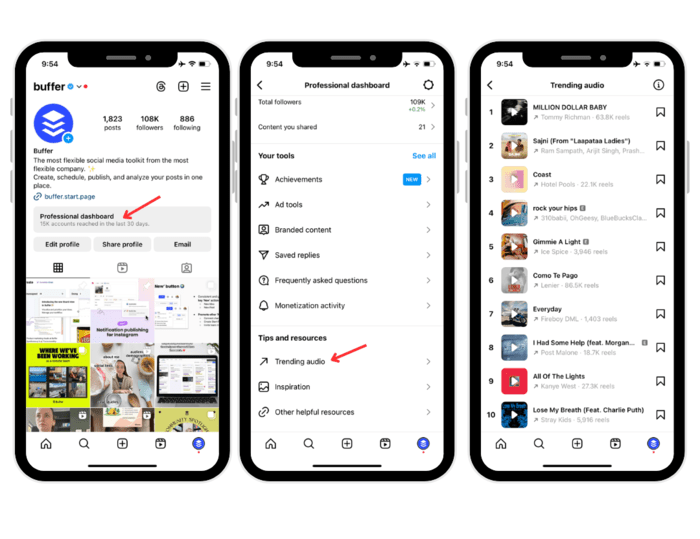
1) Use Instagram’s Built-In Tools to Find Trending Audio
The easiest way to start is by using Instagram’s own in-app audio discovery tools.
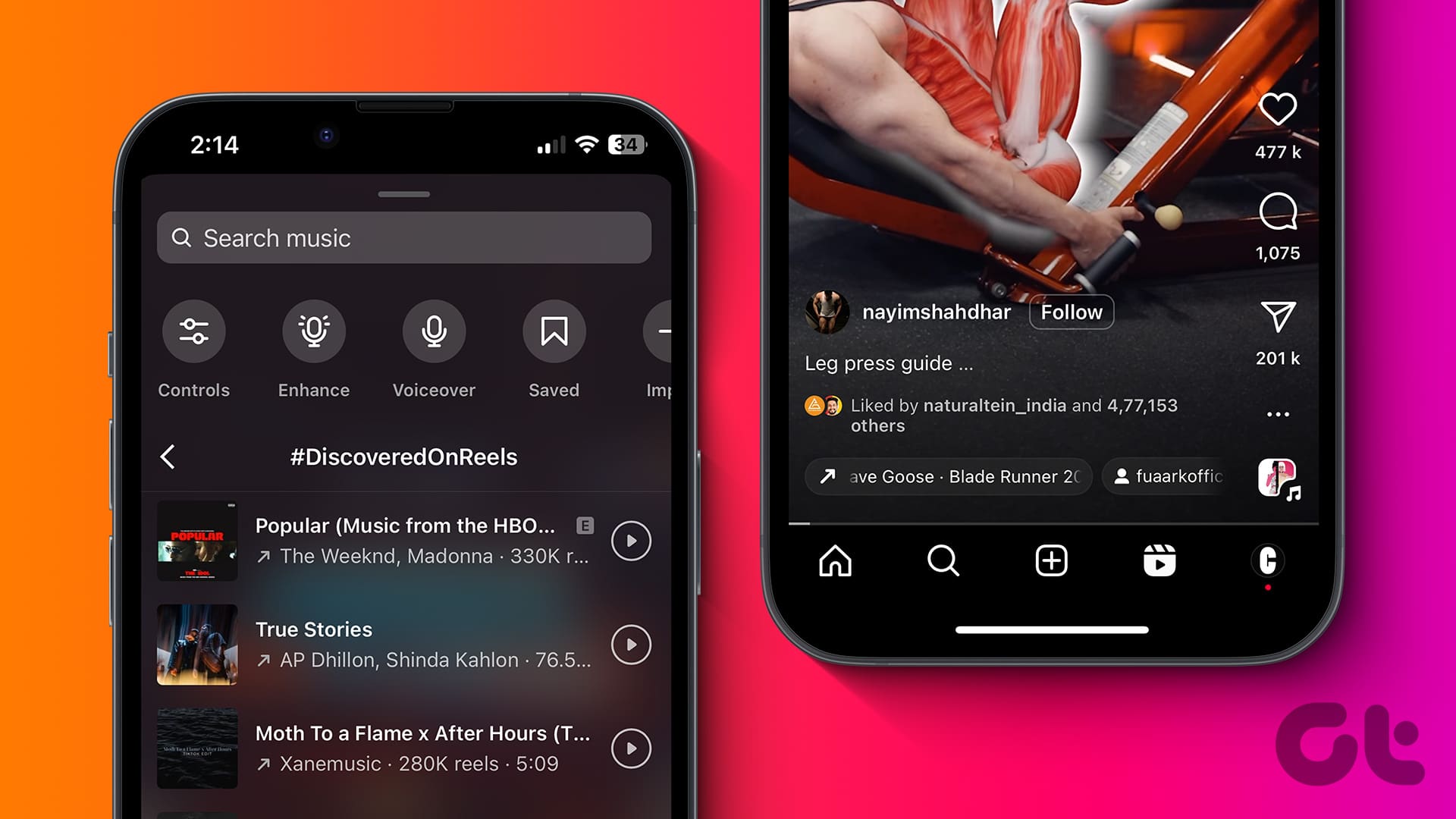
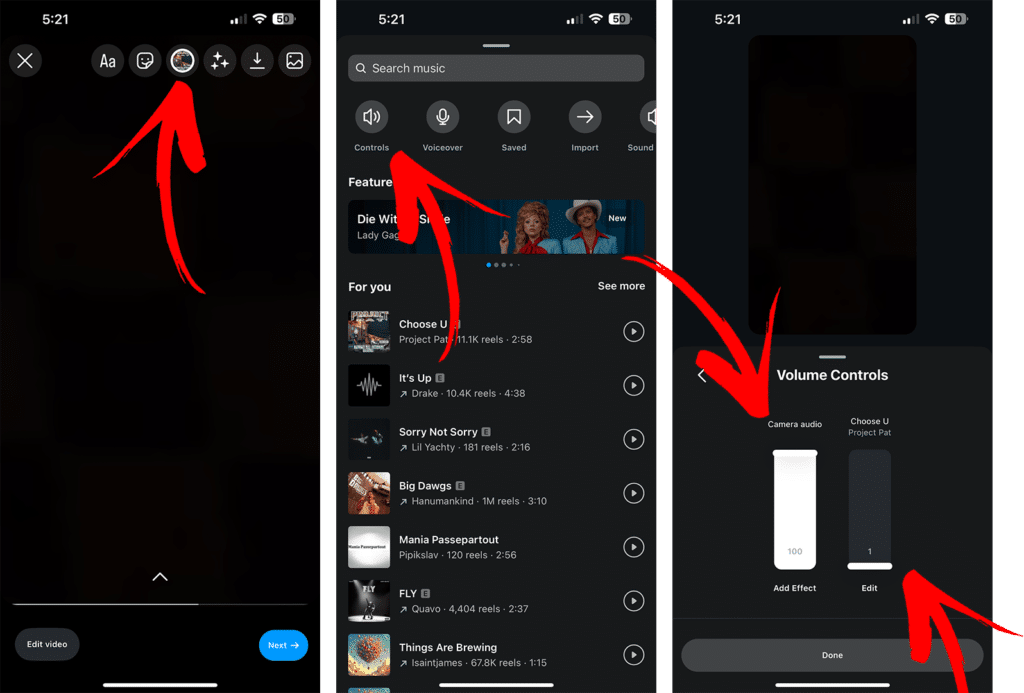
When you open the Create → Reel → Audio section, you’ll see the Trending and For You tabs.
These tabs automatically surface the most popular and rapidly growing Instagram Reels sounds based on your region and interests.
Each sound marked with an upward arrow (📈) indicates a trend gaining momentum — the earlier you catch it, the better your reach potential.
Tap “Create Reel → Audio” and explore the Trending tab daily.
Pay attention to tracks that have between 100 and 1 000 Reels — that’s the sweet spot before saturation.
Search by niche keywords such as “beauty trending audio”, “fitness beats”, “travel cinematic sound”, or “reels music for food bloggers”.
Instagram tailors results based on what you’ve interacted with, so this method helps you discover niche-specific trending audio that aligns with your content theme.
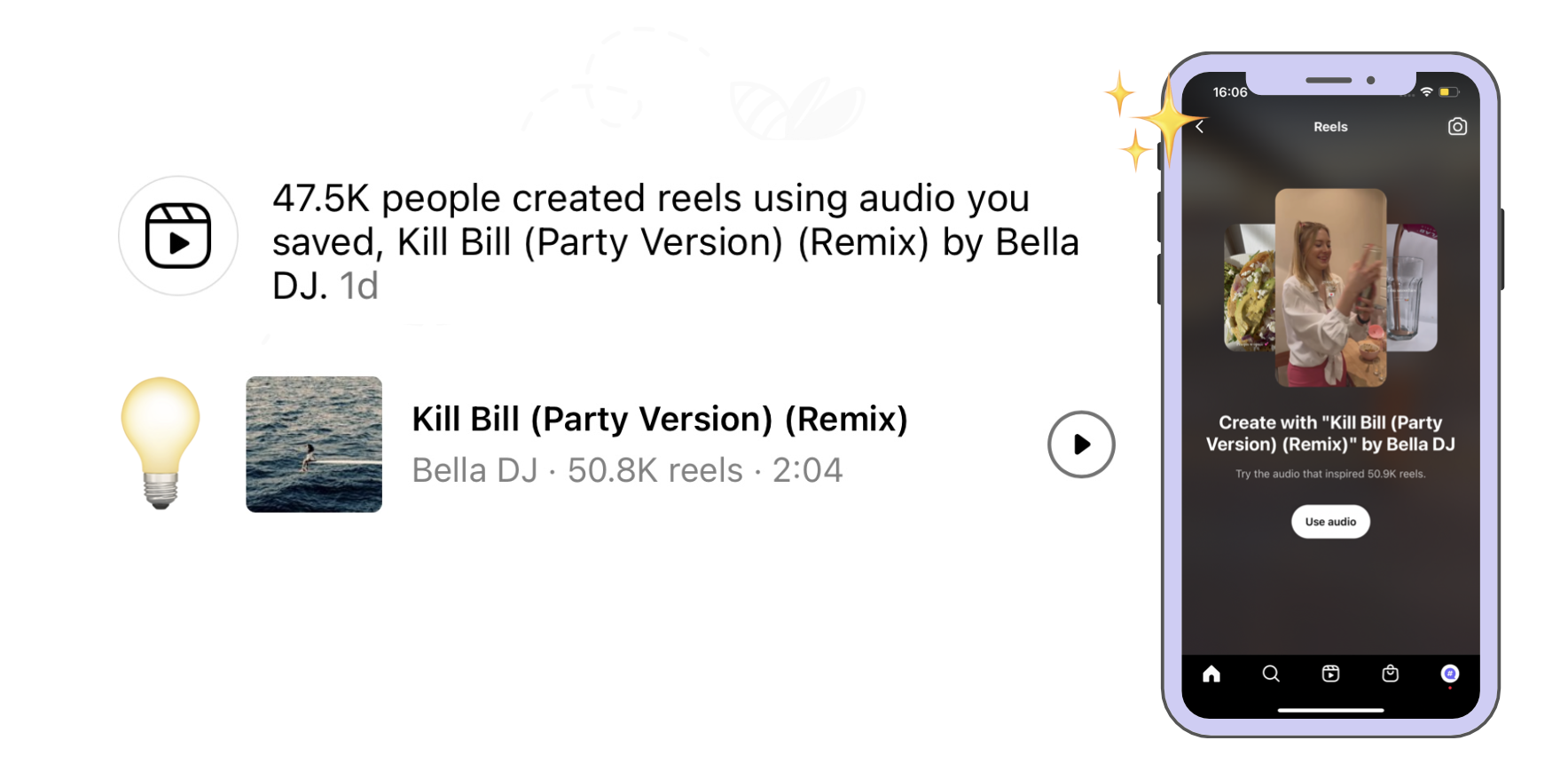
Open the audio page to see exactly how many Reels use the sound, when it started trending, and what types of videos perform best with it.
Save promising tracks immediately — trends move fast, and most trending audios peak within 5-7 days.
This built-in approach is especially useful if you’re new to Reels or want quick wins without third-party tools.
By tracking the arrow icons, sound usage stats, and the visual tone of top-performing Reels, you’ll develop a sense for what the algorithm currently favors.
Combine this with consistent posting and optimized hashtags, and your Reels will have a much higher chance to land on the Explore page organically.
💡 Pro Tip: When you find a promising sound, check whether it fits your content category and target audience before using it.
A “funny meme” track might go viral fast, but if you’re building a brand in the beauty or fashion space, choose audios that enhance your brand tone — not distract from it.
2) Scan your niche feed with intent
If you encounter the same sound 3–4 times in a short scroll, it’s likely heating up. Save it and sketch a concept while it’s still fresh.
3) Leverage weekly lists & trackers
Complement Instagram with third-party roundups and trackers (weekly trend lists, cross-platform “sounds” trackers). Trends often start elsewhere and then migrate to Reels.
Workflow (3 minutes/day):
Spot 2–3 candidate audios in your feed.
Check usage (aim for low but rising).
Save & add a “use by” date within 5–7 days.
Build your private “sound bank” — it reduces decision fatigue when you post.
How to Pick Popular Instagram Reels Sounds for Your Niche
Choosing the right Instagram Reels sound for your niche is more than matching a melody — it’s about shaping how your audience feels when they watch your content.
The mood, tempo, and even lyrical tone of a track should enhance your story, not distract from it.
Creators searching for how to pick popular Instagram Reels audio for your niche often underestimate how sound design drives brand perception.
Think of audio as your brand’s emotional language.
For instance, beauty influencers perform best with smooth pop transitions or lo-fi chill tracks that highlight glow-ups and before/after shots.
Fitness creators rely on punchy, high-BPM hooks that align with quick cuts and motion.
Travel and lifestyle bloggers benefit from cinematic ambience or soft vocal edits that evoke wonder and calm.
And fashion accounts can dominate Reels using rhythmic beats that emphasize outfit transitions and camera movement.
Match the tone and rhythm of the sound with your video style — that’s how you create emotional connection and brand identity.
Before publishing, watch how leading creators in your niche combine visuals and audio.
Platforms like Instagram Business Trends and Later’s Reels Sound Reports reveal weekly patterns showing which genres perform best.
Studying those trends helps you anticipate what sound types — pop, hip-hop, indie, cinematic — align with your content strategy.
Niche
Recommended Sound Style
Example Content Type
Beauty & Skincare
Soft pop, lo-fi beats, glow transition edits
Tutorials, before/after, product reveals
Fitness
High-energy EDM, strong beat drops
Workout routines, challenges, transformations
Travel
Cinematic ambience, nature soundscapes
Destination montages, slow-motion storytelling
Fashion
Trend remixes, runway-style rhythm loops
Outfit transitions, lookbooks, OOTD edits
Business & Marketing
Minimal instrumental or motivational acoustic
Behind-the-scenes, product demos, brand tips
To stay consistent, save 5-10 trending Reels sounds per week and label them by niche or mood in your “Saved Audio” section.
When planning your content calendar, mix trending tracks (for reach) with evergreen audios that express your brand identity.
This balance keeps you relevant without sounding repetitive.
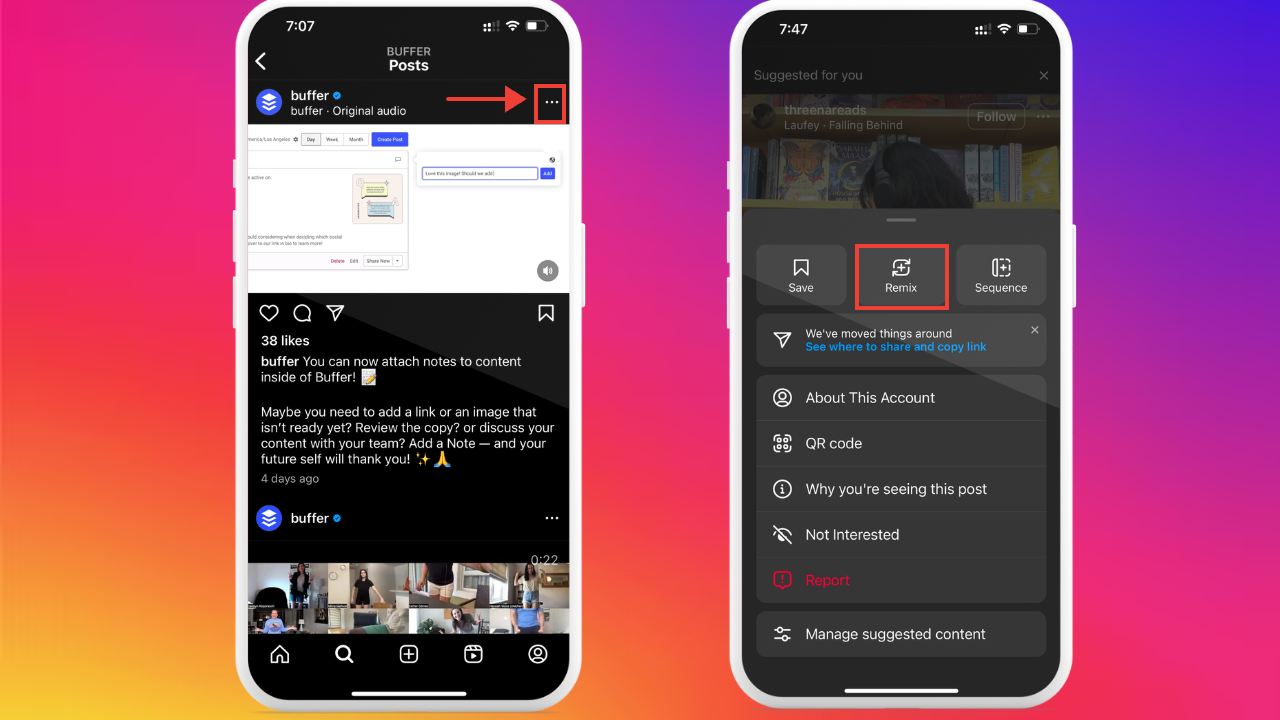
💡 Pro Tip: You can combine trending and original audio in the same Reel — record a voice-over or soundbite over a muted background trend.
It keeps your content algorithmically relevant while maintaining unique storytelling.
See more examples in our guide on Reels analytics and audio performance.
Niche
Audio Mood
Best-fit Reels
Beauty
Upbeat pop, “glam transition” beats
Before/after, routine, close-ups
Food
Playful, ASMR taps
Recipe reveals, quick plating
Travel
Cinematic, ambient, adventure
Scenic edits, destination stories
Fashion
High-tempo, runway-style
OOTD transitions, styling
Fitness
Energetic, percussive
Workouts, challenges, before/after
Business
Motivational, minimal
BTS, product reveals, testimonials
Legal reminder for brands: some tracks aren’t licensed for commercial use. If you’re on a business account or plan to run ads/boosts, double-check the audio rights or use royalty-free/“original audio” alternatives.
Choose sounds that fit your niche’s visual language and audience expectations.
How to Leverage Trending Sounds in Instagram Reels for More Views
Hook in 0–3s: align a visual change with the first beat drop.
Sync cuts to rhythm: transitions feel “inevitable” and satisfying.
Use on-screen text: mirror the audio’s theme to clarify the story.
Batch concepts: test 2–3 short variants of the same sound this week.
Pro tip: for saturated audio, try a subtle pitch shift or a unique visual angle to restore novelty.
Editing to the beat increases completion rate — a strong ranking signal.
What Makes an Instagram Reels Sound Go Viral
Virality compounds when a sound is easy to replicate, emotionally resonant, and time-relevant (memes, movie lines, seasonal vibes). Your job is to spot early momentum and adapt it to your narrative.
Repeatable template check: Can viewers instantly understand “what to do” with this audio? If yes, creators will imitate it — and the trend snowballs.
Trending Audio vs Original Audio on Instagram Reels
When to use trending audio
Discovery priority (reach new audiences fast).
The sound fits your story and is still rising.
You’re joining a recognizable format/template.
When to use original audio
Brand voice, voice-over, or evergreen education.
Ad rights and licensing certainty are critical.
You want to build a signature sound over time.
Hybrid approach: plan weekly “reach” Reels with trending audio + monthly “pillar” Reels with original audio.
Instagram Business Account Restrictions: Copyright & Safe Use
Some tracks carry restrictions for commercial use. If you’re a brand, confirm licensing before boosting or converting to ads. Prefer creator-made Original Audio or licensed libraries.
Check the audio page for licensing cues.
Prefer audios tagged for business use or from royalty-free sources.
Archive proof of license for campaigns.
Avoid: using unlicensed music in sponsored/paid placements. You risk muting, takedowns, or limited distribution.
Cadence tip: jump on a new trend weekly, but don’t abandon your evergreen formats with original audio.
FAQ: Trending Audio for Instagram Reels
How do I quickly find trending audio for Instagram Reels?
The fastest way is to open the Audio/Trending tab inside Instagram Reels and explore sounds marked with the upward arrow 📈.
Check usage count — if it’s under 1 000 Reels but rising, you’ve spotted an emerging trend.
Complement this by visiting external trackers such as Tokboard or Reelit and by scrolling your niche feed daily.
Combine all three sources to catch new viral sounds 3-5 days before they peak.
When should I use trending audio vs original audio?
Use trending audio when you need discovery and rapid reach — e.g. short educational clips, transformations, or lifestyle snippets that benefit from existing viral momentum.
Use original audio when building brand authority or running ad campaigns where copyright safety matters.
Many creators mix both: 70 % Reels with trending sounds for reach, 30 % with original voice-overs for depth and trust.
How do I know if a sound is too saturated?
If an audio already has 10 000 + uses and you see it repeatedly in your feed, it’s near saturation.
Instead, focus on “rising” sounds under 1 000 – 2 000 uses or on niche-specific remixes.
Early adoption (first 48 hours) increases the likelihood of appearing in Explore up to 3× compared with late adopters.
Are business accounts restricted from using certain songs?
Yes. Many commercial songs are not licensed for business use.
When using a business account, look for:
Tracks labeled “Original audio” from creators.
Royalty-free libraries or Meta’s “Sound Collection”.
Compare these metrics to your baseline Reels with original audio.
A trending sound that doubles saves or improves completion rate > 70 % is a keeper.
How often should I jump on trending audio?
For steady growth, aim to adopt one new trending sound each week.
Track performance for 7 days, then rotate.
Over-posting with the same track can trigger audience fatigue and lower engagement.
Plan a simple rotation calendar: trend → original → trend → niche remix.
Can I reuse the same trending audio multiple times?
Yes, if you create different story angles.
For instance, use one trending audio for a tutorial, then again for a behind-the-scenes Reel.
Keep the first 3 seconds visually distinct so the algorithm treats them as new uploads rather than duplicates.
What if my best sound isn’t available in my region?
Regional music rights vary. If a trending sound is blocked:
Search the same name under “Original Audio” — many creators re-upload it legally.
Use a royalty-free alternative with identical BPM and mood.
Create your own version (voice-over or remix) and tag it consistently to build a micro-trend around your brand.
Does using trending audio really increase reach?
Yes — Instagram’s algorithm temporarily prioritizes Reels using rising sounds.
The advantage is strongest during the first 5–7 days of the trend.
However, sound alone doesn’t guarantee virality: relevance, caption quality, and retention rate remain decisive ranking factors.
Can I combine voice-over with trending audio?
Absolutely. Lower the background track volume to 20 – 30 % and record a clear voice-over explaining the visual.
This hybrid approach keeps the trend signal while delivering unique information, boosting both discovery and watch time.
What are the biggest mistakes with trending audio?
Using outdated or overused sounds.
Ignoring copyright when boosting posts.
Poor beat-to-visual sync (hurts completion rate).
No CTA or caption context — user scrolls away despite good sound.
Audit your last 10 Reels: identify which sound type produced the longest average watch time and double down on that pattern.
{
"@context": "https://schema.org",
"@type": "Article",
"headline": "How to Find Trending Audio for Instagram Reels: Pick & Leverage Popular Sounds",
"author": { "@type": "Organization", "name": "FiveBBC" },
"datePublished": "2025-10-27",
"image": "https://storage.perfectcdn.com/7de874/x8557p7ma7yxq0a9.jpg",
"description": "Step-by-step guide to find trending audio for Instagram Reels, pick popular sounds for your niche, and leverage them for more views and engagement.",
"mainEntityOfPage": { "@type": "WebPage", "@id": "https://fivebbc.com/blog/" }
}
{
"@context": "https://schema.org",
"@type": "FAQPage",
"mainEntity": [
{
"@type": "Question",
"name": "How do I quickly find trending audio for Instagram Reels?",
"acceptedAnswer": {
"@type": "Answer",
"text": "Use the in-app Audio/Trending tab, scan your niche feed daily, and save 2–3 rising sounds. Complement with weekly roundups. Aim for audios under ~1,000 uses that are climbing."
}
},
{
"@type": "Question",
"name": "When should I use trending audio vs original audio?",
"acceptedAnswer": {
"@type": "Answer",
"text": "Choose trending audio for discovery and fast reach; use original audio for brand voice, evergreen education, and ad-safe ownership. A hybrid calendar (weekly trends + monthly pillars) works best."
}
},
{
"@type": "Question",
"name": "How do I know if a sound is too saturated?",
"acceptedAnswer": {
"@type": "Answer",
"text": "If usage is very high (e.g., 10k+ Reels) and your niche feed is full of it, you’re late. Look for earlier-stage tracks with visible momentum but fewer existing clips."
}
},
{
"@type": "Question",
"name": "Are business accounts restricted from using certain songs?",
"acceptedAnswer": {
"@type": "Answer",
"text": "Some tracks aren’t licensed for commercial use. If you plan to run ads/boosts, stick to licensed libraries or Original Audio you control. Always check the audio page and your ad account policies."
}
},
{
"@type": "Question",
"name": "What metrics prove a trending sound worked?",
"acceptedAnswer": {
"@type": "Answer",
"text": "Compare Plays/Reach, completion rate, Saves/Shares, and Profile Visits/Follows against your weekly baseline. If saves and shares spike, the audio likely enhanced perceived value."
}
},
{
"@type": "Question",
"name": "How often should I jump on trending audio?",
"acceptedAnswer": {
"@type": "Answer",
"text": "Weekly is a healthy cadence for most niches. Don’t overdo one sound; rotate and keep visual concepts fresh."
}
}
]
}
How do I quickly find trending audio for Instagram Reels?
Use the in-app Audio/Trending tab, scan your niche feed daily, and save 2–3 rising sounds. Complement with weekly roundups. Aim for audios under ~1,000 uses that are climbing.
When should I use trending audio vs original audio?
Choose trending audio for discovery and fast reach; use original audio for brand voice, evergreen education, and ad-safe ownership. A hybrid calendar (weekly trends + monthly pillars) works best.
How do I know if a sound is too saturated?
If usage is very high (e.g., 10k+ Reels) and your niche feed is full of it, you’re late. Look for earlier-stage tracks with visible momentum but fewer existing clips.
Are business accounts restricted from using certain songs?
Some tracks aren’t licensed for commercial use. If you plan to run ads/boosts, stick to licensed libraries or Original Audio you control. Always check the audio page and your ad account policies.
What metrics prove a trending sound worked?
Compare Plays/Reach, completion rate, Saves/Shares, and Profile Visits/Follows against your weekly baseline. If saves and shares spike, the audio likely enhanced perceived value.
How often should I jump on trending audio?
Weekly is a healthy cadence for most niches. Don’t overdo one sound; rotate and keep visual concepts fresh.
The FiveBBC team brings over 9 years of experience in social media marketing. We share actionable insights, growth strategies, and platform updates to help creators, businesses, and agencies succeed on social media.