What Is TikTok and How Does It Work?
TikTok is a short-form video platform owned by Chinese tech company ByteDance that lets users create, edit, and share vertical videos ranging from 15 seconds to 10 minutes. With over 1.5 billion monthly active users as of 2025, according to Statista, TikTok has become the dominant social media app for video content worldwide. The platform's core engine is the For You Page (FYP) — an algorithm-driven feed that recommends videos based on engagement signals rather than follower count, which means anyone can go viral regardless of audience size.
TikTok is at the center of a reported $10 billion political deal in the United States — yet beyond the headlines, the platform remains a powerhouse for entertainment, education, e-commerce through TikTok Shop, and brand marketing. Users record or upload short-form video clips, layer on music from an extensive licensed library, apply filters and effects, and publish to a global audience within seconds.
We've seen TikTok evolve from a lip-sync app to the most powerful short-video platform in the world over our 13+ years in the SMM space.
TikTok Quick Facts: Owned by ByteDance. Launched internationally in September 2017. Over 1.5 billion monthly active users. Videos from 15 seconds to 10 minutes. Available in 150+ markets and 75 languages. Primary discovery engine: the For You Page algorithm.
TikTok vs Instagram Reels vs YouTube Shorts: How Do They Compare?
A common follow-up to "what is TikTok" is how it compares to similar platforms. TikTok pioneered the short-form video format that Instagram and YouTube quickly adopted. According to Brandwatch, Instagram launched Reels in August 2020 and YouTube introduced Shorts in September 2020 — both directly responding to TikTok's explosive growth. Each platform now offers a similar vertical video experience, but they differ significantly in algorithm behavior, monetization, and audience composition.
| Factor | TikTok | Instagram Reels | YouTube Shorts |
|---|---|---|---|
| Max video length | 10 minutes | 3 minutes | 3 minutes |
| Algorithm focus | Content-based (FYP) | Follower + content hybrid | Search + content hybrid |
| Discovery for new creators | Strongest — content-first algorithm favors engagement over follower count | Moderate — existing followers help | Moderate — channel authority matters |
| Monetization | Creator Rewards, LIVE gifts, TikTok Shop affiliate | Bonuses (limited), brand deals | YouTube Partner Program (ad revenue share) |
| E-commerce integration | TikTok Shop (in-app checkout) | Instagram Shopping | Limited |
| Primary audience | Gen Z + Millennials | Millennials + Gen Z | Broad (all ages) |
| Music library | Largest, trend-driven | Moderate | Limited |
Where Each Platform Excels
TikTok remains the strongest platform for organic discovery. At its core, what is TikTok? It is a content-first discovery engine — and that philosophy is what makes it unique among the three platforms. Its algorithm evaluates each video independently based on engagement quality. The built-in e-commerce through TikTok Shop also makes it the most commerce-ready short-form video platform.
Instagram Reels benefits from Instagram's existing social graph. If you already have an Instagram following, Reels content reaches your audience reliably. Reels also integrates with Instagram Stories, DMs, and the broader Meta advertising ecosystem.
YouTube Shorts offers the best long-term monetization path through the YouTube Partner Program, which shares ad revenue directly with creators. Shorts also benefit from YouTube's powerful search engine — content remains discoverable for months or years, while TikTok and Reels content typically has a shorter lifespan.
Key Insight: The best strategy for most creators and brands is to repurpose content across all three platforms. Create on TikTok first (strongest discovery), then repost to Reels (to reach existing followers) and Shorts (long-tail search visibility).
How Did TikTok Start? From Douyin to Global Phenomenon
To fully understand what is TikTok today, it helps to trace its origins. TikTok began as Douyin, a short-video app that ByteDance founder Zhang Yiming launched in China on September 20, 2016. One year later, ByteDance released the international version under the name TikTok in September 2017 — a move that would reshape global social media within just a few years.
The platform's breakout moment came in late 2017 when ByteDance acquired Musical.ly, a lip-sync app with a strong foothold among US teenagers. By merging Musical.ly's user base into TikTok in August 2018, ByteDance instantly gained tens of millions of Western users and a foothold in the world's most competitive app market. According to Wikipedia's TikTok timeline, TikTok was downloaded 104 million times on the Apple App Store in the first half of 2018 alone — a figure that signaled unprecedented demand for short-form video.
Key milestones in TikTok's rise
- September 2016 — ByteDance launches Douyin in China; it reaches 100 million users within its first year
- September 2017 — TikTok launches internationally, targeting markets across Southeast Asia, Japan, and the US
- November 2017 — ByteDance acquires Musical.ly for approximately $1 billion
- August 2018 — Musical.ly merges into TikTok, consolidating the user base under one brand
- H1 2018 — TikTok records 104 million App Store downloads, becoming the most-downloaded app globally
- 2020 — TikTok surpasses 1 billion monthly active users, reaching the milestone faster than Facebook, Instagram, or YouTube
- 2025 — Monthly active users exceed 1.5 billion worldwide
The speed of TikTok's growth answers what is TikTok's greatest strength: rapid global adoption that is historically unusual. Facebook took roughly eight years to reach 1 billion monthly users. Instagram took about six. TikTok crossed that threshold in approximately four years from its international launch — driven largely by an algorithm that surfaces content based on interest, not social connections.
Why it matters for creators: TikTok's algorithm-first approach means the platform actively distributes content from new accounts. Unlike earlier social networks where growth required an existing audience, TikTok gave unknown creators a genuine path to visibility from day one.
How Does the TikTok Algorithm and For You Page Work?
The TikTok algorithm determines what appears on your For You Page (FYP) by analyzing three categories of signals: user interactions, video information, and device or account settings. According to TikTok's official Newsroom, the recommendation system ranks videos based on a combination of factors — starting from the moment a user opens the app.
Understanding what TikTok is at its core helps explain why its algorithm works differently. What makes TikTok's algorithm fundamentally different from Instagram or YouTube is that follower count plays almost no role in FYP distribution. A brand-new account with zero followers can land on millions of For You Pages if the content triggers strong engagement signals. This is the core mechanic that turned TikTok into a discovery engine rather than a traditional social network.
The three signal categories
- User interactions: Watch time (the strongest signal), replays, likes, comments, shares, follows from the video, and whether users skip or scroll past. Completing a full video watch carries heavy weight
- Video information: Captions, hashtags, sounds, and effects. The algorithm uses these to categorize content and match it with users who engage with similar topics
- Device and account settings: Language preference, country, and device type. These are given lower weight than engagement signals but influence initial content selection
How a video reaches the For You Page
When you publish a video, TikTok shows it to a small test group — typically a few hundred users. If that initial cohort watches most or all of the video, likes it, and engages, the algorithm pushes it to a larger pool. This cascading distribution continues as long as engagement metrics remain strong. A single video can go from 500 views to 5 million within 48 hours if the content resonates.
For a deeper breakdown of how these ranking signals interact, see our guide on how the TikTok algorithm really works.
Optimize for the first 3 seconds. TikTok's algorithm weighs watch time more than any other metric. If viewers scroll past within the first few seconds, the video stalls. Hook your audience immediately — pose a question, show a surprising visual, or open with the payoff rather than building up to it.
Creators looking to increase their TikTok views should focus on retention-first content: shorter videos that hold attention outperform longer ones with high drop-off rates, especially for accounts still building momentum on the platform.
What Is TikTok Used For in 2026?
So what is TikTok used for today? The platform serves as a multi-purpose hub spanning entertainment, education, commerce, and marketing — far beyond the lip-sync app it was initially known as. According to Statista, 47% of US TikTok users are aged 10–29, but the platform is becoming increasingly multi-generational with growing adoption among the 30–49 and 50+ age groups.
The breadth of what TikTok is used for in 2026 reflects how deeply the platform has embedded itself into daily digital life. Here are the primary categories:
- Entertainment and comedy: The original use case and still the largest content category. Skits, reactions, trend participation, and meme culture drive billions of daily views
- Education (#LearnOnTikTok): Subject-matter experts share lessons on everything from personal finance to molecular biology. TikTok's dedicated STEM feed launched to surface verified educational content
- E-commerce (TikTok Shop): In-app purchasing, live shopping events, and affiliate product links have turned TikTok into a direct sales channel for brands and creators
- Music discovery: Artists break songs on TikTok before they chart anywhere else. Tracks that trend on TikTok routinely climb Billboard and Spotify rankings
- News and current events: Younger demographics increasingly consume news through short-form video. TikTok has become a primary information source for Gen Z
- Brand marketing: Businesses use organic content, influencer partnerships, and hashtag challenges to reach audiences at a fraction of traditional ad costs
- Creator monetization: The Creator Rewards Program, brand deals, LIVE gifting, and TikTok Shop affiliate commissions provide multiple revenue streams
TikTok content formats at a glance
| Format | Duration / Type | Who Can Use It | Best For |
|---|---|---|---|
| Short videos | 15 sec – 10 min | All users | Entertainment, tutorials, marketing |
| LIVE streaming | Real-time broadcast | Users with 1,000+ followers | Engagement, gifting, live shopping |
| Photo Mode | Carousel of up to 35 images | All users | Storytelling, product showcases |
| Stories | 24-hour ephemeral content | All users | Behind-the-scenes, quick updates |
| Duet | Split-screen with another video | All users | Reactions, collaborations, commentary |
| Stitch | Clip + original response | All users | Adding context, fact-checking, humor |
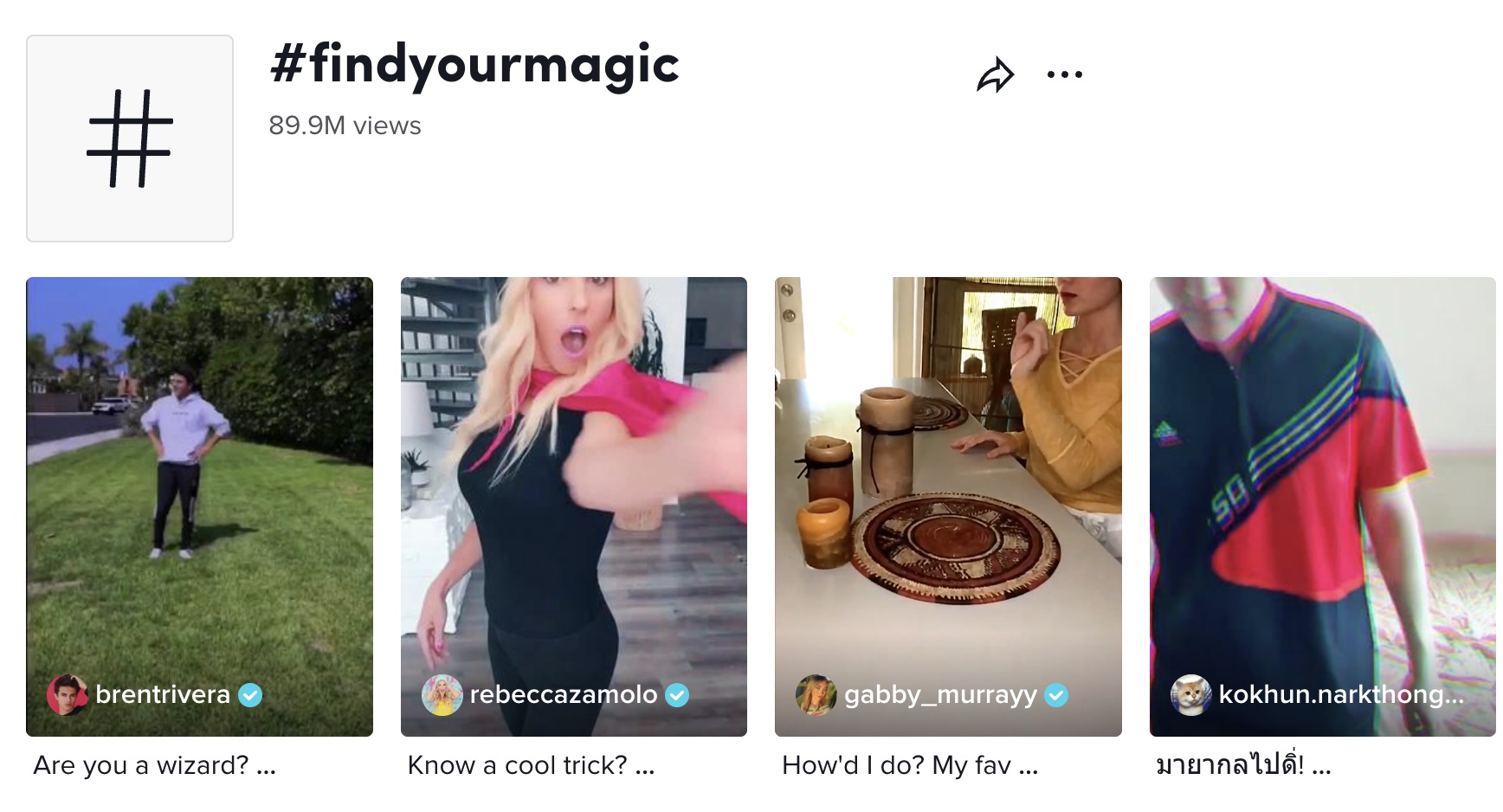
TikTok STEM Feed: Launched to promote verified educational content, the STEM feed surfaces videos on science, technology, engineering, and math from credentialed creators. It signals TikTok's push to be recognized as more than an entertainment app.
What makes TikTok distinct from other social media platforms is how its algorithm weighs content quality and engagement over account size — a dynamic that continues to attract new users and creators across every demographic in 2026.
What Is TikTok Shop and How Does It Work?
If you are wondering what is TikTok Shop, it is an integrated e-commerce feature that lets users browse, discover, and purchase products without leaving the app. Launched in the US in September 2023, it combines short-form video entertainment with a full shopping experience — from product discovery to checkout.
The system works through three main channels. Creators tag products directly in their videos, making any piece of content a potential storefront. Live shopping streams let sellers demonstrate products in real time while viewers tap to buy. And a dedicated Shop tab aggregates product listings into a searchable marketplace within the app.
For sellers and creators, TikTok Shop operates on an affiliate marketplace model. Brands list products and set commission rates, and creators promote those products to their audiences. When a viewer makes a purchase through a tagged video or live stream, the creator earns a commission — typically between 5% and 20% depending on the product category and arrangement.
The growth has been substantial. According to Bloomberg, TikTok Shop surpassed $20 billion in global GMV in 2024, driven largely by categories like beauty, fashion, and consumer electronics. That momentum has continued into 2026 as the platform invests heavily in logistics partnerships and seller tools.
For businesses: TikTok Shop removes the friction between content and conversion. Unlike traditional social commerce where users click through to an external site, the entire purchase happens inside TikTok — reducing drop-off rates and capitalizing on impulse buying during content consumption.
What Are the Pros and Cons of TikTok?
Understanding what is TikTok — and what TikTok is like to actually use — means weighing both its strengths and weaknesses. The platform offers unmatched organic reach potential, but that comes with legitimate trade-offs around privacy, mental health, and content moderation. Here is a balanced breakdown.
| Factor | Pros | Cons |
|---|---|---|
| Reach | Algorithm rewards content quality over follower count, enabling strong organic discovery | Virality is unpredictable; consistent reach requires constant posting |
| Discovery | The For You Page surfaces niche content to exactly the right audience | Algorithmic feed can create filter bubbles and limit exposure to diverse viewpoints |
| Commerce | TikTok Shop enables direct in-app sales with strong conversion rates | Seller competition is intensifying as more brands enter the marketplace |
| Time spent | High engagement means audiences actually watch and interact with content | Average daily usage is approximately 95 minutes per user, raising addiction concerns |
| Data privacy | Project Texas stores US data on Oracle servers in the United States | ByteDance ownership continues to fuel regulatory scrutiny and user distrust |
| Content moderation | AI-driven moderation catches violations at scale | Misinformation, scams, and inappropriate content still slip through filters |
The reach advantage
The biggest draw for creators and brands is TikTok's democratized discovery engine. Unlike Instagram or YouTube, where building an audience from zero takes months of consistent effort, TikTok's algorithm evaluates each video independently based on engagement quality. This content-first approach makes TikTok a strong platform for organic audience building in 2026.
The concerns are real
According to DataReportal, the average TikTok user spends roughly 95 minutes per day on the app — more than any other social media platform. That level of engagement is a double-edged sword. For marketers, it means captive audiences. For users, particularly younger ones, it raises serious questions about screen time and addictive design patterns.
In our experience since 2013 working across 25+ social platforms, TikTok's organic reach potential remains unmatched — but the platform's addictive design is a legitimate concern we hear from clients regularly.
Data privacy adds another layer of complexity. Despite TikTok's Project Texas initiative — which routes all US user data through Oracle's domestic servers — skepticism persists. As one Reddit user put it: "If you needed a new reason to abandon the platform, here's one" (r/news, 9,542 upvotes). Whether those fears are proportionate to the actual risk remains debated, but they are undeniably shaping public perception and regulatory action.
Is TikTok Safe for Kids and Teens?
For parents asking what is TikTok and whether it is safe for their children — or whether TikTok is dangerous for kids — the short answer is that TikTok enforces age-based restrictions and offers parental controls, but no platform can fully eliminate risks for younger users. Safety ultimately depends on how the app is configured and supervised.
Age restrictions and built-in limits
According to TikTok's official policies, the platform requires users to be at least 13 years old. Beyond that baseline, additional features are gated by age:
- Under 16: Cannot receive or send direct messages; content is not eligible for download by other users
- Under 18: Cannot host LIVE streams, cannot use direct messaging in some regions, and default privacy settings are stricter
- 18+: Full access to LIVE streaming, gifting, TikTok Shop purchases, and all messaging features
Family Safety Mode
TikTok's Family Pairing feature lets a parent link their account to their teen's and control several settings remotely:
- Screen time limits (customizable daily cap)
- Restricted Mode filtering (limits mature content)
- Direct message controls (disable or limit to approved contacts)
- Search restrictions (block certain search terms)
- LIVE stream viewing controls
The risks parents should know
Risks remain despite controls. Content moderation does not catch everything. Younger users may encounter inappropriate videos, encounter contact from strangers via comments, or develop unhealthy scrolling habits. A common concern on social media: users report real-world dangers like distracted behavior from excessive TikTok use (r/mildlyinfuriating, 1,680 upvotes).
According to Cyberbullying.org, TikTok ranks among the platforms most frequently cited in cyberbullying research, with risks including public shaming through Duet and Stitch features, unwanted contact, and exposure to harmful challenges.
The practical approach is layered: enable Family Pairing, set screen time limits, keep accounts private for younger teens, and maintain ongoing conversations about what they encounter on the platform. No technical control replaces active parental involvement.
What Is the US TikTok Ban and What Does Trump Say About TikTok?
No discussion of what is TikTok would be complete without addressing the ongoing US ban debate. The US government has attempted to ban or force a sale of TikTok multiple times since 2019, citing national security concerns over ByteDance's Chinese ownership. As of March 2026, the platform remains operational in the United States, though its legal status continues to evolve.
Timeline of key events
- 2019: The Committee on Foreign Investment in the United States (CFIUS) opens a national security review of ByteDance's 2017 acquisition of Musical.ly
- August 2020: President Trump signs an executive order to ban TikTok unless ByteDance divests its US operations within 45 days — federal courts block enforcement
- 2021–2023: TikTok launches Project Texas, a $1.5 billion initiative to store all US user data on Oracle's domestic servers, aiming to address data sovereignty concerns
- April 2024: Congress passes a bipartisan bill requiring ByteDance to divest TikTok's US operations or face a ban; the law sets a January 2025 deadline
- January 2025: The Supreme Court upholds the divestiture law; TikTok briefly goes dark for US users before service is restored
- 2025–2026: Trump reverses course from his 2020 ban stance, engaging in a reported $10 billion deal involving TikTok's US operations and American investors
What is Project Texas? TikTok's data residency program routes all US user data through Oracle's servers in Texas. A parallel initiative, Project Clover, does the same for European user data. Both aim to separate US and EU data from ByteDance's infrastructure in China, though critics argue the measures do not fully eliminate access risks.
Where things stand now
According to Wikipedia's TikTok article, CFIUS has conducted multiple reviews of TikTok's data practices since 2019, resulting in divestiture orders, the Project Texas data residency initiative, and ongoing negotiations over ownership structure.
The situation remains fluid. ByteDance has resisted a full sale, US lawmakers continue to push for stricter oversight, and the platform's 170+ million American users are caught in the middle. For anyone wondering what a TikTok account is worth investing in right now, the regulatory uncertainty is a real factor to consider — though the platform's massive user base makes a complete shutdown increasingly unlikely from a political standpoint.
How to Grow Your TikTok Following in 2026
Once you understand what TikTok is and how its algorithm works, growing a TikTok following requires consistent effort, strategic content choices, and an understanding of how the platform rewards engagement over follower count. According to TikTok's Creator Portal, creators need at least 1,000 followers to unlock LIVE streaming and 10,000 or more to attract meaningful brand collaboration opportunities.
Here are the most effective strategies for building your audience on TikTok in 2026:
- Hook viewers in the first 3 seconds. The algorithm weighs watch time heavily. If viewers scroll past your video in the first moment, TikTok stops pushing it. Open with a bold visual, a question, or an unexpected statement.
- Post consistently — aim for 3–5 videos per week. Accounts that maintain a regular posting cadence appear more frequently on the For You Page. Quality matters, but consistency signals to TikTok that you are an active creator.
- Use trending sounds strategically. Trending audio boosts discoverability, but pairing a trending sound with original content outperforms lip-syncing every time.
- Use Duet and Stitch for collaboration. These features let you build on existing viral content and tap into another creator's audience. They also generate engagement signals that the algorithm rewards.
- Engage with your comments section. Replying to comments — especially with video replies — creates additional content touchpoints and signals active community building.
- Optimize hashtags without overstuffing. Use 3–5 relevant hashtags per post: mix broad discovery tags (#fyp) with niche-specific ones. Hashtag challenges can amplify reach significantly.
- Cross-promote on other platforms. Sharing TikTok content on Instagram Reels, YouTube Shorts, and X extends your reach beyond TikTok's ecosystem. If you want to learn how to create viral TikTok videos, focusing on cross-platform repurposing is a strong starting point.
Best posting times matter. TikTok engagement peaks between 7–9 PM local time on weekdays and 11 AM–1 PM on weekends. Test different windows and track which time slots drive the most views for your niche.
Monetization Milestones
TikTok has defined clear thresholds for creator features:
- 1,000 followers — access to LIVE streaming
- 10,000 followers — eligibility for the Creator Rewards Program and brand partnerships through Creator Marketplace
- 100,000+ followers — higher CPM rates, premium brand deals, and TikTok Shop affiliate commissions
Now that you know what is TikTok and how its growth mechanics function, the next question is acceleration. For creators looking to accelerate early growth, SMM panel tools can provide an initial engagement boost that helps content reach the For You Page faster. Platforms like FiveBBC offer gradual delivery options that complement organic growth strategies — you can boost your TikTok followers while simultaneously building authentic content.
✓
Ready to jumpstart your TikTok growth? FiveBBC provides real, gradual TikTok engagement that works alongside your content strategy. Explore our TikTok promotion services to get started.