
The Rise of the Micro-Influencer Economy
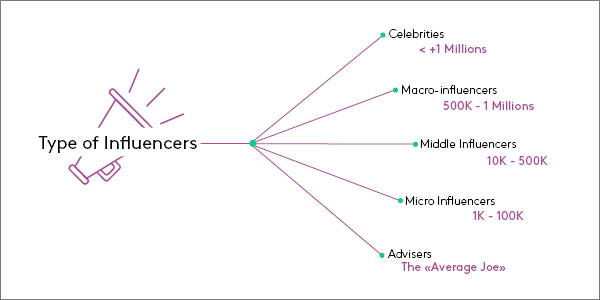
In today’s Instagram ecosystem, micro-influencers — creators with between 5,000 and 100,000 followers — are redefining how brands build trust and engagement. The era of mega-influencers dominating with sheer follower count is fading; now the focus is on authenticity, community, and collaboration.
Micro-influencers excel because they speak directly to specific niches — sustainable fashion, local coffee culture, digital design, wellness, or pet care. Unlike broad-reaching celebrities, these creators communicate in the language of their community. They know their audience’s pain points, habits, and desires because they are part of that same world. Their posts don’t feel like marketing; they feel like genuine recommendations from a trusted friend.
For example, a micro-influencer in sustainable fashion might share honest reviews of eco-friendly clothing brands, explaining why fabric sourcing and transparency matter. Their audience isn’t just liking posts — they’re saving them, asking for discount codes, and sharing them with friends. This creates a chain of authentic engagement that money alone can’t buy.
Similarly, a local food blogger with 15K followers might partner with nearby cafés or artisan bakeries to promote seasonal menus. Because their followers are mostly local, engagement directly translates into foot traffic — a measurable, ROI-driven result. The same principle applies to wellness coaches, photographers, pet-care experts, and home décor creators — all thriving within micro-communities built on shared values and daily interactions.
This laser-focused relevance gives micro-influencers an edge in today’s attention-saturated digital space. Their content blends storytelling, education, and personal connection — the three pillars of authentic content marketing. When they recommend a product, followers don’t perceive it as an ad but as a trusted tip from someone who understands their lifestyle.
As a result, micro-influencer engagement rates often reach 7–10%, far surpassing those of macro creators. Brands see not just likes, but conversations — followers commenting “I bought this because of you!” or “This tip really helped my routine.” These are the micro-moments that compound into community trust and long-term customer loyalty.
For businesses, this means that micro-influencer partnerships aren’t just about visibility — they’re about credibility. Each collaboration becomes a story woven into the fabric of a niche audience, whether it’s sustainability advocates, local creatives, or fitness enthusiasts. Over time, these collaborations form a network of real voices amplifying your brand with integrity and depth.
This transformation reflects the broader trend in digital marketing — moving from visibility-based metrics to value-based relationships. Businesses are no longer asking “How many people saw this?” but rather “How many people cared enough to act?”
Why Brands Are Shifting from Mega to Micro
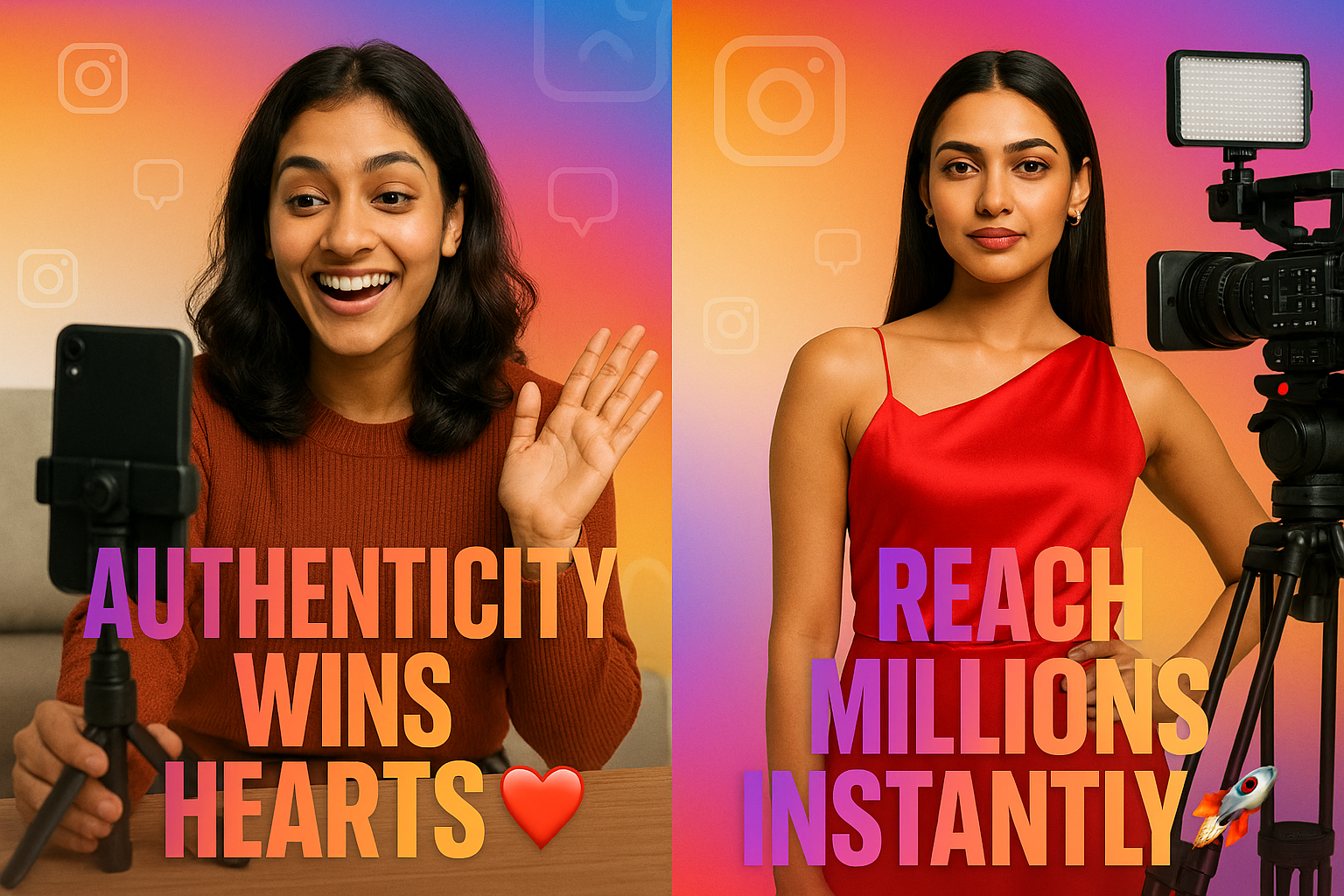
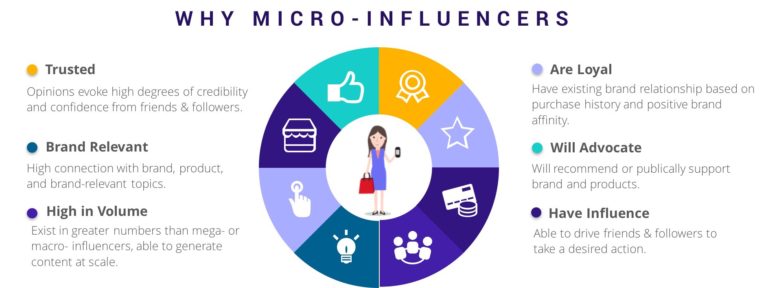
The global marketing shift from mega- to micro-influencers is built on one proven truth: authentic engagement drives real results — mass exposure no longer guarantees trust or sales. While mega-creators deliver impressive reach, their audiences are often too broad and detached to take meaningful action. Micro-influencers, however, cultivate loyal micro-communities who listen, interact, and genuinely care. Their followers see them not as unreachable celebrities but as peers — relatable, trustworthy, and human.
When a micro-influencer recommends a product or shares a story, it resonates because it feels personal. Their community has followed their journey — they’ve seen their daily life, routines, and honest opinions. This emotional proximity builds brand credibility and long-term loyalty far more effectively than one-off shoutouts from mega accounts. In 2025, consumers crave authentic voices, not scripted ads — and that’s where micro-influencers win every time.
Engagement quality has become a more important metric than follower count. Mega influencers may command millions of followers but see engagement rates of only 1–2%. In contrast, micro-creators consistently achieve 5–10% engagement — meaning a real conversation with every post, story, or Reel. Comments are authentic, direct messages are genuine, and community discussions happen naturally — these signals tell algorithms that content is valuable and worth amplifying.
Another critical factor is cost efficiency. Instead of allocating an entire marketing budget to a single mega-influencer post, brands can now collaborate with 10–20 micro-influencers across diverse niches — for the same or even smaller investment. Each creator adds unique context: a fitness influencer speaks to lifestyle and motivation, while a design blogger emphasizes aesthetic and branding, and a local food creator brings cultural authenticity. Together, these collaborations multiply brand presence organically across multiple micro-ecosystems.
This diversified strategy doesn’t just save money — it increases ROI and risk control. If one creator underperforms, others still deliver results. Moreover, micro-influencers produce reusable, high-quality user-generated content (UGC) that can be repurposed across social ads, newsletters, and landing pages — making them not only ambassadors but also content partners.
Ultimately, the shift from mega to micro marks a deeper evolution in digital marketing philosophy — from vanity metrics to value-based relationships. Brands no longer chase follower numbers; they seek genuine interaction, loyal customers, and real community impact. By prioritizing creator authenticity over mass appeal, businesses build stronger emotional connections that last well beyond a campaign.
Ultimately, the rise of micro-influencers represents a broader cultural movement: audiences are choosing authenticity over aspiration. The brands that adapt to this mindset build communities — not just customers.
The Power of Niche Audiences
In the modern era of personalization, niche is the new mainstream. Audiences no longer connect with generic content — they crave relevance, authenticity, and shared identity. Micro-influencers build smaller but stronger communities around specific lifestyles, passions, or beliefs — eco-friendly living, minimalist travel, local cuisine, wellness coaching, or education. These focused communities thrive because followers feel genuinely understood and represented.
A key element of this connection is the influencer’s bio — that short description under the Instagram profile photo. Though often overlooked, the bio is a powerful storytelling and positioning tool. It acts as a digital elevator pitch, instantly communicating who you are, what you do, and who you help. For micro-influencers, crafting a clear, authentic bio is crucial because it defines their niche and attracts the right audience. Think of it as your brand headline in miniature form.
A well-optimized Instagram bio includes three essential components: identity (what makes you unique), niche keywords (to help you appear in search results), and value proposition (why followers should care). For example:
- @greenmindstyle — “Sustainable fashion 💚 | Style tips for eco lovers 🌿 | Collabs: greenmind@email.com”
- @coffeecorner.malta — “Local coffee reviews ☕ | Hidden cafés & barista stories 🇲🇹 | DM for partnerships”
- @teachwithmia — “Education + tech 💡 | Helping teachers simplify digital learning | Tutorials every Mon 🎥”
Each example shows how the bio clarifies purpose and niche in under 150 characters. This clarity attracts followers who belong to that niche community — the people most likely to engage, share, and buy. It also strengthens your SEO on Instagram’s internal search by associating your profile with relevant topics and keywords like “eco fashion,” “coffee culture,” “education tools,” or “wellness coaching.”
For brands, collaborating with creators who have a clear niche and optimized bio eliminates guesswork. It’s immediately obvious who their audience is and what type of content resonates. This alignment makes campaigns more effective, ensuring that your message reaches people who are already interested in your niche. In other words, a strong bio acts as a bridge — connecting the creator’s authenticity with the brand’s marketing goals.
Ultimately, understanding and defining your niche — both in your content and your bio — is the foundation of success in Instagram niche marketing. A personalized approach ensures you attract an audience that resonates with your message, not just one that scrolls by. When you combine a clear niche identity with authentic storytelling, you build a micro-community that grows naturally, engages deeply, and converts consistently.
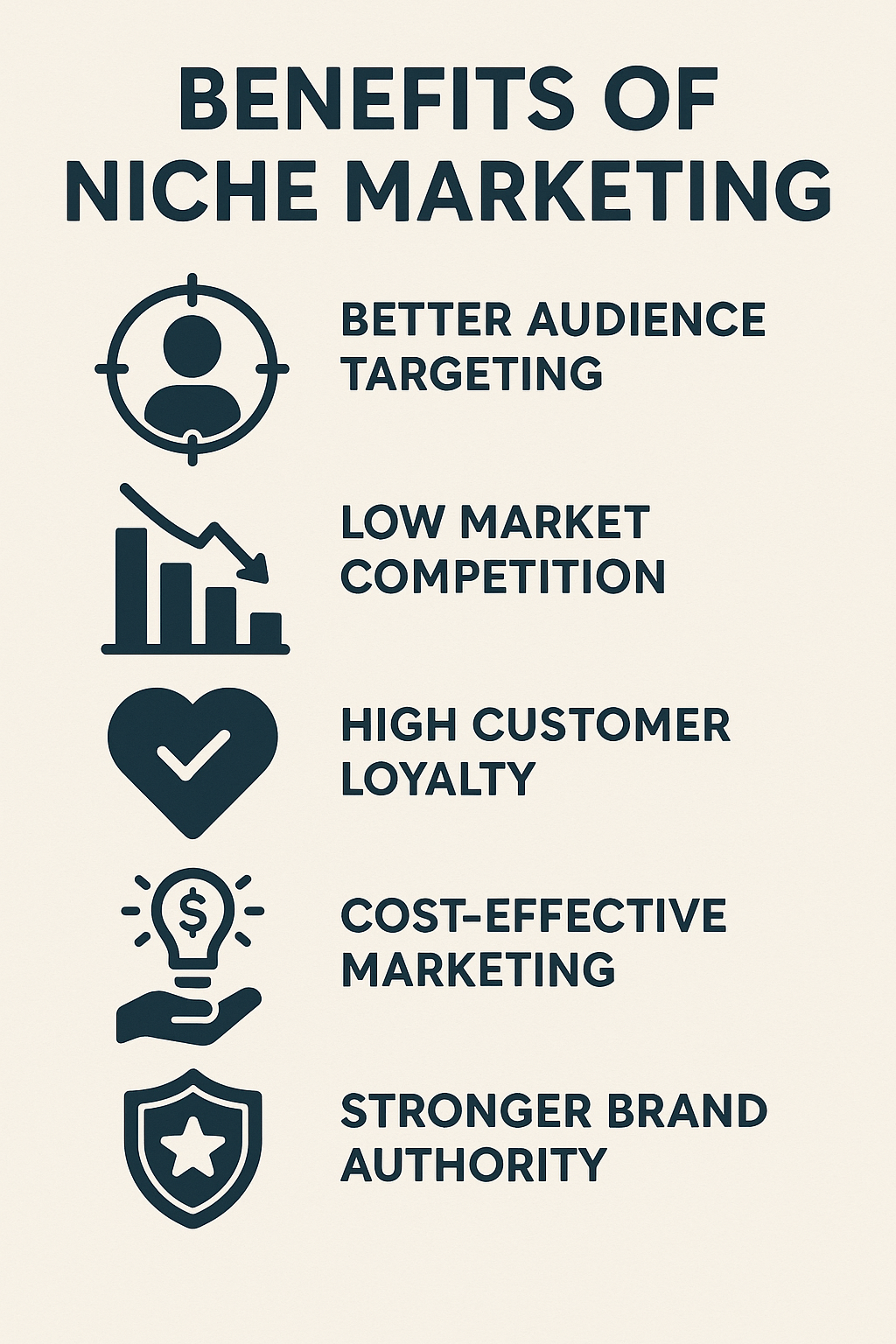
For brands, collaborating with niche creators offers precision targeting and high emotional resonance. A micro-influencer who focuses on “organic skincare for sensitive skin” will always outperform a celebrity endorsement in terms of audience trust and conversion rate within that market.
This is where the concept of micro-communities becomes a strategic advantage. Followers of niche influencers form tight-knit groups that interact not only with the creator but also with one another. Brands that tap into these micro-communities don’t just gain exposure — they gain advocates who share, comment, and spread authentic word-of-mouth.
The Authenticity Advantage
Authenticity is no longer optional — it’s the foundation of success in modern Instagram influencer marketing. Today’s audiences are more media-savvy than ever. They can instantly sense when content feels forced, overly polished, or purely transactional. Micro-influencers thrive because their voices remain personal, transparent, and aligned with real-life experiences. Followers aren’t just consuming their content — they are building relationships with them.
In 2025, trust is the new currency of social media. Every Story, Reel, or caption that feels human — showing both strengths and imperfections — strengthens the bond between a creator and their followers. People no longer want to follow perfect lifestyles; they want relatable humans who show vulnerability, effort, and genuine passion. This shift has completely transformed how creator partnerships on Instagram operate.
For brands, this means moving from “sponsorship posts” to collaborative storytelling. When a creator authentically integrates a product into their daily routine — instead of promoting it as a standalone ad — the message feels organic. For example, a wellness coach might demonstrate a brand’s supplements as part of her morning ritual, or a designer could share how a certain tool improves their workflow. These small, natural integrations outperform traditional paid ads because they resonate emotionally and build long-term trust.
Authentic engagement doesn’t just increase likes — it amplifies brand perception and purchase intent. According to influencer marketing studies, audiences are 3x more likely to purchase a product recommended by a micro-influencer they trust, compared to one endorsed by a celebrity. This authenticity-based approach leads to higher retention, loyalty, and organic advocacy — the key pillars of sustainable growth.
For creators, authenticity also translates into mental sustainability. Instead of chasing trends or algorithms, they build a brand around values — consistency, empathy, and honesty. This alignment prevents burnout and ensures their content remains true to who they are. As a result, partnerships become more stable, audiences grow more loyal, and collaborations deliver measurable ROI.
In the broader picture, authenticity bridges the gap between influencer marketing and human connection. When creators show their personality — not perfection — they transform followers into advocates and customers into community members. In a world flooded with artificial perfection, authenticity isn’t just a trend — it’s the strategic advantage that separates thriving micro-influencers from forgettable ones.
When creators share their honest experiences — the pros, the cons, the behind-the-scenes — audiences respond with trust. This leads to higher retention, organic saves, and private message conversations — the ultimate indicators of meaningful engagement.
Authenticity also impacts ROI. Studies show that genuine, story-driven influencer campaigns generate up to 2.4x higher conversion rates compared to scripted promotions. In the long term, this translates into deeper customer relationships and stronger lifetime value.
Instagram’s Role in the Creator Business Model
As the creator economy matures, Instagram continues to evolve from a simple photo-sharing app into a powerful business and monetization platform. Its Creator Marketplace now acts as a central hub where brands can discover, evaluate, and collaborate with creators who align with their niche, tone, and values. This tool leverages real-time analytics to match businesses with influencers who deliver authentic engagement rather than vanity numbers.
This shift is part of a broader data-driven influencer marketing movement. The Creator Marketplace democratizes opportunities — allowing micro-influencers to compete fairly with larger accounts. Instead of focusing on follower counts, brands can now evaluate creators based on authenticity scores, audience demographics, engagement ratios, and content quality. In other words, measurable performance finally outweighs popularity.
For example, a brand targeting eco-conscious millennials can filter creators by interests such as “sustainable lifestyle” or “zero-waste fashion” and instantly see analytics — location, gender split, average story views, and engagement patterns. This precision ensures every partnership is meaningful, cost-effective, and ROI-driven.
The platform also fosters transparency and accountability. Brands can verify creator data, access estimated costs, and review content history — ensuring that every collaboration meets ethical and performance standards. This transparency builds trust on both sides and strengthens long-term brand–creator partnerships.
As a result, micro-influencers gain access to brand deals that were once reserved for top-tier creators, empowering them to monetize their expertise and creativity within their niche. For businesses, it means streamlined campaign management, clearer analytics, and improved targeting — creating a win-win ecosystem where performance and authenticity coexist.
The evolution of the creator economy on Instagram symbolizes the future of digital marketing: personalized, transparent, and measurable. Those who embrace analytics, authenticity, and niche alignment will lead the next wave of growth in 2025 and beyond.
For creators, these updates transform Instagram into a hybrid portfolio and marketplace. For brands, it becomes a data-rich collaboration hub — streamlining campaign management, communication, and content tracking.
Key Benefits of Micro-Influencer Partnerships for Brands
Partnering with micro-influencers on Instagram delivers long-term advantages that go beyond short-term exposure. From higher engagement rates to sustainable ROI, here’s why businesses of all sizes are embracing the micro movement:
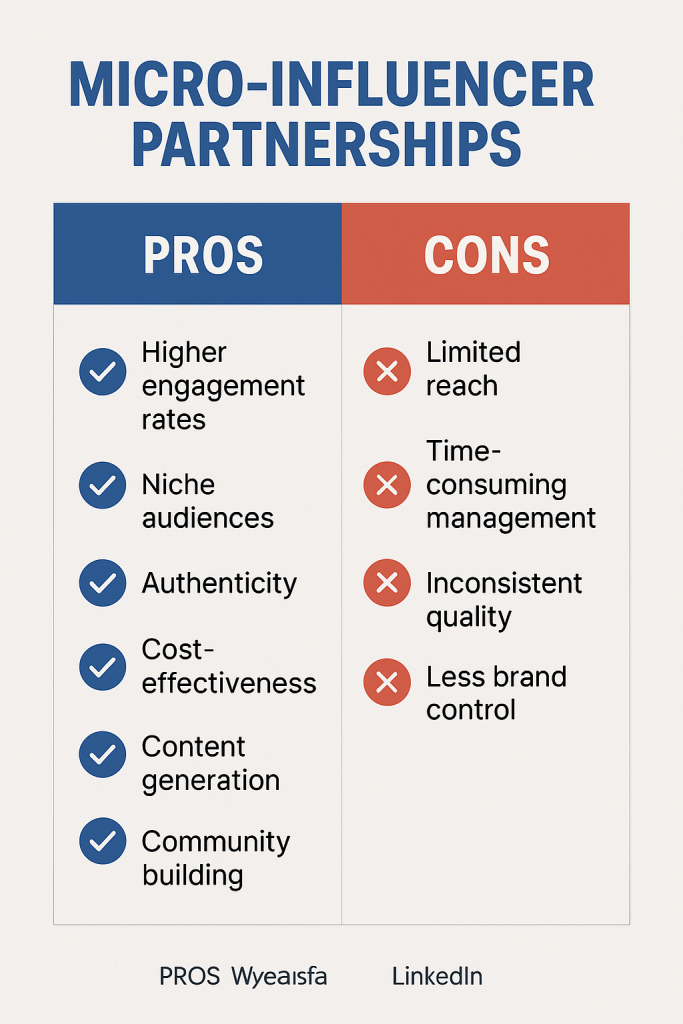
- Authentic community engagement: Micro-influencers have direct, two-way communication with followers, resulting in more organic discussions and emotional connection.
- Cost efficiency: Working with several niche influencers costs less than a single macro deal, while generating 2–3x more authentic content and conversions.
- Localized storytelling: Collaborations with creators in specific regions or industries allow brands to localize their message for maximum impact.
- High content diversity: Multiple creators mean varied tones, visuals, and styles — perfect for repurposing across Reels, ads, and stories.
- Community growth & retention: Consistent partnerships transform customers into loyal brand ambassadors who promote organically through conversation.
| Benefit | Business Impact | SEO Keyword Alignment |
|---|---|---|
| Higher engagement | 5–10% interaction rates across posts and stories | micro influencer engagement boost |
| Lower cost per collaboration | Budget-friendly scaling for startups | cost effective influencer campaigns |
| Authentic conversions | Trust-based recommendations outperform ads | authentic influencer marketing |
| Brand loyalty | Long-term partnerships strengthen reputation | micro influencer business partnerships |
How to Find the Right Micro-Influencers on Instagram
Choosing the right creators for your brand is both art and science. The goal isn’t just to reach people — it’s to connect with the right audience that converts. Here’s how to build an effective discovery and selection strategy.
- Define your audience clearly: Understand who your ideal customers are — age, interests, location, and lifestyle. Then, identify influencers whose followers align with these demographics.
- Search within your niche: Use Instagram hashtags like #microinfluencer or #brandcollab combined with niche terms (e.g., #veganrecipes, #localtravel). You can also explore your competitors’ tagged posts to find creators already engaged in your industry.
- Analyze engagement quality: Don’t focus solely on follower counts. Instead, review the type of engagement. Are followers asking questions, sharing feedback, or tagging friends? Comments filled with emojis may indicate bots, while genuine conversations show real influence.
- Check brand fit and consistency: Evaluate tone, posting style, and content frequency. Ensure the influencer’s values match your brand’s story — consistency drives credibility.
- Test small before scaling: Start with one or two sponsored posts or a giveaway. Measure performance using custom links or promo codes. If engagement is strong, build a long-term partnership.
ROI & Campaign Measurement
Measuring the success of micro-influencer business partnerships requires a focus on both quantitative and qualitative metrics. Since Instagram doesn’t always reveal deep analytics for collaborative posts, brands should track engagement manually and analyze audience sentiment.
- Engagement rate: (likes + comments) ÷ followers × 100
- Story completion rate: views on last frame ÷ views on first frame
- Traffic & conversions: trackable links or UTM parameters
- Affiliate ROI: sales generated per influencer partnership
- Sentiment analysis: tone of comments and replies
Use these metrics to identify your top-performing creators and optimize future collaborations. When measured consistently, micro-influencer marketing can produce up to 3× more conversions than paid ads at the same spend level.
Micro vs Mega Influencers: The Real Numbers
Let’s break down why micro-influencers are outperforming mega-influencers across nearly every measurable metric.
| Metric | Micro-Influencers | Mega-Influencers |
|---|---|---|
| Engagement Rate | 5–10% | 1–2% |
| Average Collaboration Cost | $200–$1,000 | $10,000–$100,000+ |
| Authenticity & Trust | High — personal connection | Moderate — perceived as ads |
| Brand Conversion Rate | 2–3× higher | Lower due to audience fatigue |
The Evolving Creator Business Model
The Instagram creator economy has matured beyond simple sponsorships. Today, micro-influencers act as partners — co-developing products, managing affiliate programs, and even launching branded merchandise. This model builds mutual value and positions creators as long-term brand advocates.
Many successful collaborations involve limited-edition drops or shared revenue models. For instance, fitness coaches partner with apparel brands for “creator-curated” collections. Beauty influencers co-design products, leveraging their direct feedback loops with followers. The result is content that feels organic and community-driven — not transactional.
The Future of Influencer Marketing: From Reach to Relationships
The future of influencer marketing is not about who shouts the loudest — it’s about who builds the most meaningful relationships. As algorithms continue to evolve, engagement metrics will give way to deeper measures of connection: trust, storytelling, and shared values. In this new era, audiences reward authenticity over aesthetics and conversations over campaigns.
Micro-influencers and niche creators are at the heart of this shift. They act as community builders, transforming followers into participants, and customers into advocates. Instead of chasing viral trends, successful creators focus on sustainable engagement — answering DMs, hosting interactive Q&As, and co-creating content with their followers. These daily micro-interactions create loyalty that no paid reach can replicate.
For example, fitness micro-influencers often use Instagram’s Close Friends Stories to share exclusive workouts, behind-the-scenes motivation, or progress updates. This private, authentic access builds emotional connection and converts followers into paying members or long-term supporters. Similarly, local fashion boutiques collaborating with regional creators see higher conversion rates, because the audience feels a genuine cultural and emotional link to the brand.
In 2025 and beyond, brand trust will outweigh visibility. Platforms like Instagram and Threads are prioritizing meaningful engagement signals — saves, replies, time spent, and link clicks — over vanity metrics like likes or impressions. This means that creators who build genuine relationships will have algorithmic advantages: their content will reach the right people more consistently and perform better across all formats.
Brands that start embracing relationship-driven influencer marketing today will enjoy a compounding advantage tomorrow. By nurturing creators who genuinely believe in their products, companies can foster loyalty that lasts beyond a single campaign. Whether it’s a skincare brand working with micro-influencers to document real results, or a tech startup collaborating with educators to create bite-sized tutorials — authentic storytelling will be the cornerstone of digital growth.
According to 2025 market predictions, over 70% of brands plan to increase budgets for long-term creator partnerships. Instead of investing in one-time collaborations, they’re forming ambassador programs — turning trusted creators into continuous voices of their brand. This model builds credibility, boosts retention, and transforms influencer marketing from a transaction into a relationship.
In short, the future of influencer marketing will be shaped by trust, intimacy, and collaboration. The brands that evolve from broadcasting to relationship-building will lead the next decade of digital storytelling — creating content that doesn’t just reach people, but truly moves them.
The bottom line: micro means mighty. Real influence lies in conversation, not crowd size. The brands that understand this shift will lead the creator economy of the next decade.
Related Guides
FAQ: Micro-Influencer Business Partnerships
How do micro-influencers benefit small brands?- Engagement rate: (likes + comments + shares) ÷ followers.
- Conversion data: promo code usage, affiliate link clicks, or referral traffic.
- Community sentiment: tone of comments, saved posts, repeat interactions.
- Creator co-productions: influencers helping design or launch limited-edition products.
- Community campaigns: brands engaging followers in polls, Q&As, and content creation.
- Authentic storytelling: raw, behind-the-scenes content replacing overly polished ads.