Want a gentle push for your Instagram growth? Explore our curated packages to buy Instagram followers, get more views, and boost engagement safely. Perfect for creators and small brands who plan to pair growth with Close Friends micro-community strategy.
 Close Friends Stories: your inner-circle engine for engagement, loyalty and conversions.
Introduction
Growing on Instagram isn’t just about broadcasting to everyone — it’s about serving the few who truly care. The Close Friends feature lets you share Stories and perks with a private list, turning casual followers into a VIP micro-community. In this guide you’ll learn how to use Close Friends Stories for business, craft an exclusive content strategy, create VIP access, and measure results — with actionable steps and ethical guardrails.
Quick win: announce a weekly “VIP drop” (templates, tips, codes) only for Close Friends. Consistency beats volume.
Pairs well with our practical posts on privacy and reputation, e.g. how to hide likes on Instagram and does Instagram notify screen recording.
What Close Friends Is & Why It Matters
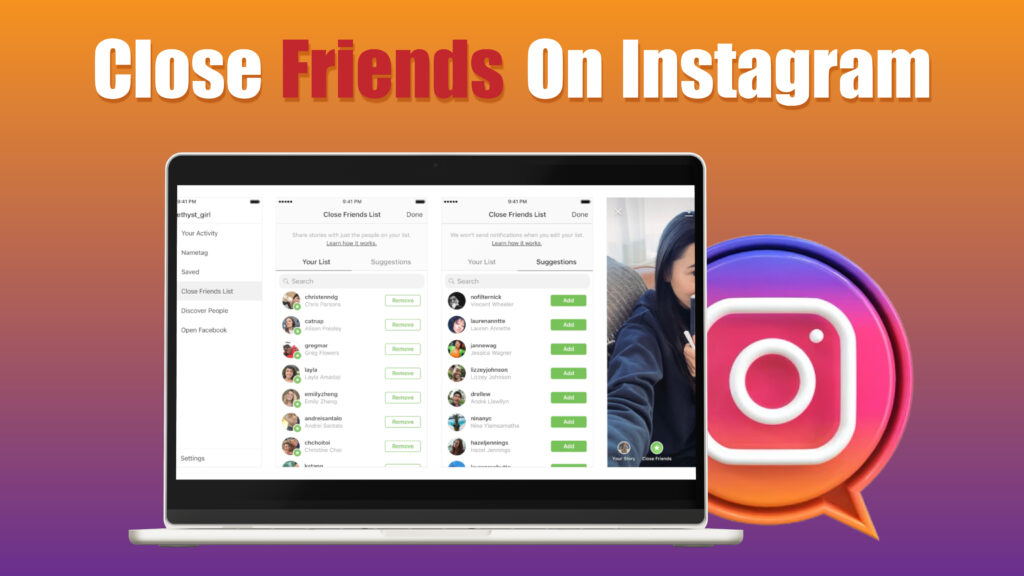
Close Friends is a private list you curate. When posting a Story, choose Close Friends — only people on that list will see it (they’ll notice the green ring). Individuals aren’t notified when you add/remove them, which gives you flexibility to keep the club tight. See Instagram’s documentation here.
 Adding people to your Close Friends list — keep it small and purposeful.
For brands and creators, Close Friends unlocks an intimacy–engagement–conversion loop:
- Exclusivity: VIPs feel valued and stick around.
- Signal: replies, votes, and DMs from your inner circle reveal what to ship next.
- Conversion: smaller group ≠ smaller revenue; warm insiders buy faster.
Related: If you manage sensitive Stories (e.g., personal details), audit your privacy basics first. Our guides on Instagram stalking signals and photo quality help you keep trust high.
How to Use Close Friends Stories for Business
For brands, marketers, and creators, Instagram Close Friends Stories aren’t just a social feature — they’re a business growth and retention tool. By using the green-ring circle strategically, you can segment your audience, build trust, reward loyalty, and turn your most engaged followers into paying customers. This approach transforms your Instagram from a general feed into a micro-marketing channel focused on community, exclusivity, and conversion.
Setup & Smart Segmentation
The secret to success with Close Friends Stories for business lies in intentional segmentation. Not everyone should be added — the smaller and more curated your VIP list, the more powerful your engagement and conversions will be.
- Define who qualifies: Identify your superfans, paying members, loyal customers, or affiliates. These are the people who already trust your brand and are likely to respond positively to insider access. Use engagement data — replies, story interactions, or past purchases — to choose who deserves the “Close Friends” status.
- Collect opt-ins strategically: Instead of randomly adding people, invite them through a “Join My VIP Circle” poll or story sticker. This creates a sense of choice and consent — users who opt in are genuinely interested, which means higher engagement and better retention. Ask questions like “Want early access to our drops?” or “Join my Close Friends for behind-the-scenes tips?”
Publish a Welcome Story: Start with an authentic introduction that sets expectations — tell your new VIP members what kind of value they’ll get (exclusive insights, product teasers, private offers). Outline your posting rhythm (for example, twice a week) so members know to check back regularly.
Pro tip: Use a branded template or intro video to make your VIP entry story stand out. The goal is to make new members feel special from the moment they join.
- Build a micro content calendar: Plan 2–4 VIP Stories per week that align with your brand goals. Balance between educational (tips, mini-guides), emotional (behind-the-scenes, team updates), and exclusive (discounts, early access). This rhythm keeps your inner circle engaged without overwhelming them.
The result? A high-retention group of superfans who not only interact with your content but also become your most loyal promoters. Think of it as your brand’s inner circle — a group that feels personally connected, appreciated, and rewarded.
Turning Close Friends Into a Business Advantage
Close Friends Stories for business can work like a loyalty program on autopilot. Instead of running complex funnels, you’re giving your best followers what they truly want — access, recognition, and exclusivity. This builds an emotional connection that drives long-term retention and organic word-of-mouth marketing.
Here’s how brands successfully leverage Close Friends for measurable results:
- Product-based businesses: Share limited drops, early discounts, and production updates to your Close Friends. Fans love being “in the know” before everyone else — it increases sales conversion rates.
- Service-based professionals: Coaches, consultants, and freelancers use Close Friends to offer private advice, micro-tutorials, and VIP offers to clients who’ve already purchased. This keeps relationships active between launches.
- Content creators and influencers: Use Close Friends to nurture the top 5–10% of followers — the ones who comment, save, and DM you most often. They’re your “brand amplifiers,” and treating them like insiders increases overall engagement across all posts.
Related reading: Learn how to optimize your professional presence with Instagram Business Accounts and boost story engagement organically.
When used strategically, Close Friends can evolve into a sales and relationship engine. It merges private storytelling with exclusive marketing — blending authenticity and conversion. Instead of shouting to thousands, you’re speaking directly to the hundred people who actually matter most to your business.
SEO insight: The keyword “how to use Instagram Close Friends Stories for business” consistently trends upward in 2025. Include it naturally in your post captions, story highlights, and website copy to attract both creators and business owners searching for private engagement strategies.
Don’t spam: VIP Stories must be meaningfully different from public ones — or the inner circle loses value.
Content pillars that actually work
- Behind-the-scenes decisions (let VIPs vote on thumbnails, packaging, titles).
- Early access & limited codes (24-hour “green-ring” discounts).
- Micro-trainings and quick templates.
- Transparent numbers: show process and results responsibly.
To prime discovery and trust outside the VIP bubble, keep your public surface healthy too — e.g., switch to a business account and optimise for growth , then move the warmest fans into Close Friends for depth.
| Goal | VIP Story Type | Example | Follow-up |
|---|---|---|---|
| Engagement | Poll + mini reveal | “Choose the cover for next tutorial” | Publish winner; shoutout voters |
| Loyalty | Behind-the-scenes | “Unfiltered workflow + lessons learned” | Ask for questions, answer in next VIP drop |
| Revenue | VIP code / pre-sale | “Green-ring 24h early access: VIP15” | Close loop with results + gratitude |
| Product-market fit | Feedback loop | “Vote on features — A or B?” | DM top voters; invite to private test |
Use Close Friends to prototype content and offers. If the VIPs don’t bite, adjust before going public. It’s like a focus group that cares.
 Use the green ring for time-boxed VIP perks & micro-polls.
Monetisation models (creator & brand)
- Paid VIP tier: sell access to Close Friends via Patreon/Gumroad, then add buyers.
- Client perk: include VIP content for coaching/retainer clients.
- Affiliate inner club: provide scripts/assets to affiliates via VIP Stories.
- Pre-sales: launch to VIP first, gather feedback, then go public stronger.
SEO note: On your landing pages, explain the value of the VIP ring (belonging, early access, limited offers). That language also helps your on-page relevance.
Building Micro-Communities & VIP Access
In 2025, brands and creators are shifting away from chasing millions of followers — and focusing instead on building micro-communities on Instagram. These are smaller, more intimate circles where engagement rates soar, loyalty strengthens, and relationships feel human again. The Close Friends feature is the perfect gateway to this strategy, allowing you to nurture your most invested audience inside a private, “green-ring” environment.
A micro-community thrives on trust and interaction. Unlike public followers, these VIP members are emotionally connected to your story — they comment more, buy faster, and spread your brand organically. By giving them VIP access to exclusive content, behind-the-scenes updates, or first product previews, you create a sense of belonging that’s impossible to replicate through regular Stories or posts.
To build engagement momentum, structure your Close Friends Stories like a private membership program. Introduce rituals and consistency — weekly “VIP Coffee Chats”, mini Q&A sessions, early product drops, or “first look” announcements. These small, recurring events give your audience something to anticipate, helping your micro-community stay active and emotionally connected.
Pro tip: Treat your Close Friends list as a high-value audience segment. Give them access to limited-time content, insider polls, and unfiltered updates that never appear publicly. This makes every inclusion feel like a reward — not an algorithm trick.
For brands and small businesses, Close Friends Stories can function as a loyalty engine. Use it to share private discount codes, invite-only sales, and behind-the-scenes previews of upcoming launches. Customers who feel “in the inner circle” are far more likely to repurchase and recommend your brand. This strategy boosts both retention and conversion rates while keeping your audience deeply engaged.
For influencers, coaches, and educators, micro-communities are a pathway to sustainable influence. Instead of fighting for attention in the main feed, creators can use Close Friends to deliver exclusive educational tips, early content access, or personalized advice. The smaller scale creates authenticity — followers feel seen, not sold to.
The beauty of a micro-community is that it grows by connection, not by competition. Each member feels chosen — and that psychological feeling of exclusivity fuels long-term trust and brand advocacy. When your audience believes they’re part of something rare, they engage more, share more, and buy more.
Related reading: Learn how Instagram’s privacy and engagement tools enhance VIP experiences in our guides on Vanish Mode and Hiding Likes.
Building micro-communities through Instagram Close Friends isn’t just a content trend — it’s a long-term relationship marketing strategy. When you move from broadcasting to belonging, you transform followers into loyal insiders who genuinely care about your story and success. That’s the real power of VIP access on Instagram.
- Invite with intent: select by engagement, purchase, or explicit opt-in.
- Onboard: welcome Story; outline perks; ask what they want more of.
- Co-create: use polls/questions so VIPs steer content and offers.
- Reward: shoutouts, codes, early access; show outcomes.
- Iterate: track replies and retention; evolve the format.
Privacy & safety: If your VIPs discuss sensitive matters, remind them Stories are ephemeral but still capturable (see screen recording notifications and unsent message visibility).
Content Ideas for Close Friends Stories
| Idea | Why it works | Story format | CTA |
|---|---|---|---|
| Behind-the-scenes build | Humanises brand; creates shared journey | Short clips + captions | “Reply with questions; I’ll feature answers” |
| Early-bird codes | Rewards loyalty; drives urgency | Countdown sticker + code | “Use code in next 24h; DM me if used” |
| Mini trainings | Value dense; makes VIPs smarter | 3-slide tutorial | “Vote which part to expand next week” |
| Template drops | Immediate utility | Carousel of PNGs | “Tag me when you use it” |
| Analytics peek | Transparency breeds trust | Screenshot + learnings | “What should we test next?” |
For public-facing creativity that funnels new warm followers into VIP, check our Instagram Story collage tutorial and long-form monetisation guides how much Instagram pays per 1,000 views and per 1 million views in 2025 .
How Many People to Add & Managing the List
There’s no hard public limit, but exclusivity is the point. Start with dozens or a few hundred, monitor engagement, and prune inactive members quarterly.
- Admission rules (engagement, purchase, opt-in) keep quality high.
- Rotate trials: offer 2-week VIP trials via poll; keep those who participate.
- On removal, don’t announce — just adjust silently and keep the promise to active members.
Pro tip: use a spreadsheet or lightweight CRM tag to mirror who’s in VIP; note who replies, buys, and votes — that’s your heartbeat metric.
Analytics & Measuring Success: How to Track Your Instagram Close Friends Performance
Measuring success on Instagram Close Friends Stories requires a different mindset than traditional Insights. Because Close Friends Stories don’t show full analytics, brands and creators must build their own lightweight tracking systems to measure engagement, retention, and ROI inside this private circle.
The goal isn’t to obsess over vanity metrics — it’s to understand how your VIP content influences loyalty, conversion, and community growth. Below we’ll explore key metrics, tools, and frameworks to track your Instagram Close Friends analytics effectively.
Core Metrics to Track
- Story View Rate: The ratio of Story viewers to your Close Friends list size. Formula: (Views ÷ Total VIPs) × 100. A healthy engagement rate usually sits between 40–70% for loyal circles.
- Reply Rate: The number of direct message responses divided by total viewers. This indicates how conversational and emotionally engaging your content is.
- Action Rate: Track sticker taps, poll answers, and link clicks. These micro-actions measure audience interactivity — crucial for retention and offer validation.
- Revenue per VIP: Calculate the monetary return for each active Close Friend. Formula: (Sales from VIPs ÷ Number of Active VIPs). It helps evaluate if your Close Friends monetisation strategy truly works.
- Retention Rate: Measure how many VIPs stay engaged month-over-month. Look for consistency in views and replies — steady metrics indicate community trust.
Pro tip: Export data manually once a week — even a simple Google Sheet with columns for “Views”, “Replies”, and “Purchases” is enough. Tracking trends visually helps you see engagement drops early.
Video: Micro-Influencers & Creator Partnerships
🎥 Watch: Why Micro-Influencers Outperform Mega Accounts
Can’t play the embed? Watch on YouTube.
How to Track Close Friends Story Performance
Understanding how your Close Friends Stories perform is crucial if you’re using them as part of a business, creator, or community strategy. Since Instagram’s built-in Insights don’t yet provide full analytics for this feature, you’ll need to manually capture metrics during the 24-hour lifespan of your Story or use external tools that help monitor performance.
Why does this matter? Because what isn’t measured can’t be improved. Without analytics, you’re posting blindly. Tracking engagement allows you to see what content truly resonates with your VIP audience — whether that’s behind-the-scenes clips, early access drops, or loyalty-reward posts. It also helps identify which Stories convert best, when your Close Friends are most active, and how VIP interactions differ from your public audience.
This kind of insight is especially valuable for:
- Small business owners who use Close Friends for private product previews or loyalty offers.
- Influencers and creators running paid or exclusive communities who need to prove audience engagement to sponsors.
- Coaches and educators offering VIP mentoring or limited learning content to their inner circle.
- Marketers and SMM specialists who manage client campaigns and must justify Close Friends ROI.
By tracking and comparing each Story’s performance, you can begin to build a pattern: which type of content drives the most replies, what posting time generates higher retention, and what story format (video vs image) keeps your VIPs most active. Over time, this turns your Close Friends strategy from casual posting into a data-driven engagement system.
Pro tip: Treat your Close Friends list like a micro-funnel — monitor engagement metrics weekly, identify your top responders, and tailor upcoming content to those who interact the most. This method builds stronger loyalty and can even increase conversions by 20–30%.
Once you establish consistent measurement, you can connect the dots between content, behaviour, and outcome. For instance, noticing that “behind-the-scenes” posts drive more replies than “discount” posts reveals where your audience feels most emotionally connected. That insight becomes your blueprint for growth.
- Manual tracking: Before a Story expires, take a screenshot of the view list, replies, and sticker results. Log them into a spreadsheet (e.g., Airtable, Notion, or Excel).
- CRM tagging: Tag active VIP members who reply or purchase. Over time, you’ll see who your top advocates are.
- UTM parameters: Add unique tracking links in VIP Stories to measure click-through and conversions through Google Analytics.
- Third-party tools: Solutions like Metricool, Later, or NotJustAnalytics offer limited but valuable insight into engagement and Story performance trends.
Related reading: Want a deeper understanding of Instagram metrics? Check our detailed guide How to Use Instagram Insights in 9 Easy Steps .
Evaluating ROI of Close Friends Stories
ROI (Return on Investment) from Close Friends content isn’t just about direct sales. It includes improved brand loyalty, higher DM engagement, and stronger community ties. Consider tracking both quantitative and qualitative outcomes:
- Quantitative: conversions, coupon redemptions, upsells, and traffic from VIP links.
- Qualitative: sentiment in replies, testimonials, personal DMs, and emotional connection.
SEO tip: Document monthly progress publicly on your blog — “How our Close Friends Strategy Increased Story Replies by 68%”. These case studies drive search traffic for long-tail keywords like instagram close friends case study or close friends engagement boost.
Benchmarks & Best Practices
Here’s what successful creators and small brands typically achieve with consistent Close Friends engagement:
| Metric | Healthy Range | Goal to Aim For |
|---|---|---|
| Story View Rate | 40–70% | +5% MoM improvement |
| Reply Rate | 10–25% | Increase via interactive content |
| Action Rate | 15–35% | Higher during giveaways or polls |
| Revenue per VIP | $3–$10 monthly avg. | Scale with premium offers |
| Retention | 70–90% | Maintain by consistent posting rhythm |
Benchmarks vary by niche — a creator in fitness or education may see higher retention than an eCommerce brand, but the principle remains the same: loyalty outperforms reach.
Use Feedback Loops to Refine Your Strategy
Close Friends is not a static strategy — it’s a living community. Use data to improve your storytelling and engagement rhythm:
- Ask monthly polls like “Do you enjoy our VIP content format?”
- Reward top 10 responders publicly in your Close Friends circle.
- Archive Story highlights to review what performs best.
- Adjust posting times based on when most VIPs are active.
Advanced tip: Segment by behaviour — create sublists of “buyers”, “advocates”, and “lurkers”. Test content variations per group to find what converts best.
Tracking and optimising your Close Friends analytics ensures that every Story serves your goals — whether it’s community trust, conversions, or engagement depth.
Cross-check your privacy & safety workflows (e.g., turning off Vanish Mode) if VIPs share sensitive DMs.
Mistakes to Avoid & Ethical Tips
- Copy-pasting public content: VIP must feel different.
- Over-inviting: too big ≠ VIP. Keep it earned.
- Neglecting replies: VIP is a dialogue, not a bulletin board.
- Privacy blind spots: educate VIPs on screenshots/reshares; avoid sensitive data.
- Over-promising cadence: set realistic frequency and stick to it.
Related Guides (FiveBBC)
🔗 Switch to a Business Account & Grow Followers 🔗 Signs Someone Is Stalking You on Instagram 🔗 How to Hide Your Likes on Instagram 🔗 Why Instagram Ruins Photo Quality 🔗 Does Instagram Notify Screen Recording? 🔗 Make Collages in Instagram Stories 🔗 How Much Does IG Pay per 1,000 Views? 🔗 How Much per 1 Million Views (2025) 🔗 Can You See Who Unsent a Message? 🔗 Delete or Deactivate Your Instagram 🔗 Get $5 for Sharing Our Website 🔗 Turn Off Vanish Mode (2025 Guide)
Official References
What exactly can I share through Instagram Close Friends Stories?
You can share photos, videos, polls, questions, and stickers just like in regular Stories — but only selected people in your Close Friends list can view them. This makes it ideal for:
- Behind-the-scenes content and real-time updates.
- Exclusive product teasers or codes for your loyal followers.
- Private polls or mini-trainings for clients and superfans.
Pro tip: Use “Story Controls → Hide Story From” to exclude certain followers, or create a dedicated “VIP-only” storytelling schedule for consistency.
Will people know when I add or remove them from my Close Friends list?
No, Instagram never sends notifications when you add or remove someone. The only visible sign is the green ring around your profile photo when they see a Story shared to Close Friends. You can update your list anytime, and users will not be alerted.
Good practice: Rotate your list every few months to maintain exclusivity and reward engaged followers.
How often should I post Close Friends or VIP Stories?
Ideally, post 2–4 Close Friends Stories per week. The sweet spot is consistency — not spamming. Keep your VIP list expecting something unique:
- 1 interactive story (poll, question) per week.
- 1 exclusive “behind-the-scenes” clip.
- 1 reward story (discount, sneak peek, tip drop).
Pro tip: Batch-record small vertical clips once a week and upload them strategically — this keeps the VIP experience fresh but sustainable.
How can I monetise my Close Friends content effectively?
There are several ethical ways to monetise your Close Friends list:
- Subscription model: charge monthly via Patreon, Ko-fi or your website for exclusive access.
- VIP community perks: include private webinars, early course access or limited offers.
- Brand collaboration bonus: let sponsors reach a warm, engaged audience through your Close Friends content.
Always disclose promotions clearly to keep transparency with your audience. For inspiration, explore our guide on Instagram monetisation in 2025.
What metrics should I track to measure Close Friends performance?
Since Instagram doesn’t offer deep analytics for Close Friends Stories, you’ll need to track manually:
- Views vs list size — your engagement rate baseline.
- Replies or DMs — top indicator of real conversation and loyalty.
- Poll participation — shows interest depth.
- Promo code redemptions — direct ROI metric.
Advanced tip: Export weekly views & replies into a spreadsheet; compare trends before/after each campaign.
For privacy alignment, review Vanish Mode settings.
Can I share Reels or Posts exclusively with Close Friends?
Instagram is gradually testing this feature in some regions. Currently, you can:
- Share Stories exclusively to Close Friends (globally available).
- In some regions, share feed posts or Reels to your Close Friends (limited beta).
Stay tuned to Instagram’s official blog for roll-out updates.
What’s the main difference between Close Friends and Broadcast Channels?
Close Friends is an invite-only circle for private interaction and Stories, while Broadcast Channels are one-way mass announcements — subscribers receive messages but can’t reply publicly. If you want intimacy and two-way conversation, Close Friends wins. For large-scale updates, use Channels.
Pro tip: Combine both — use Broadcast Channels for announcements and Close Friends for loyal insider access.